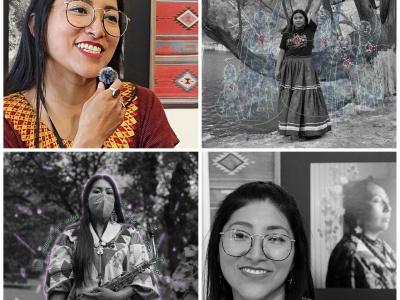
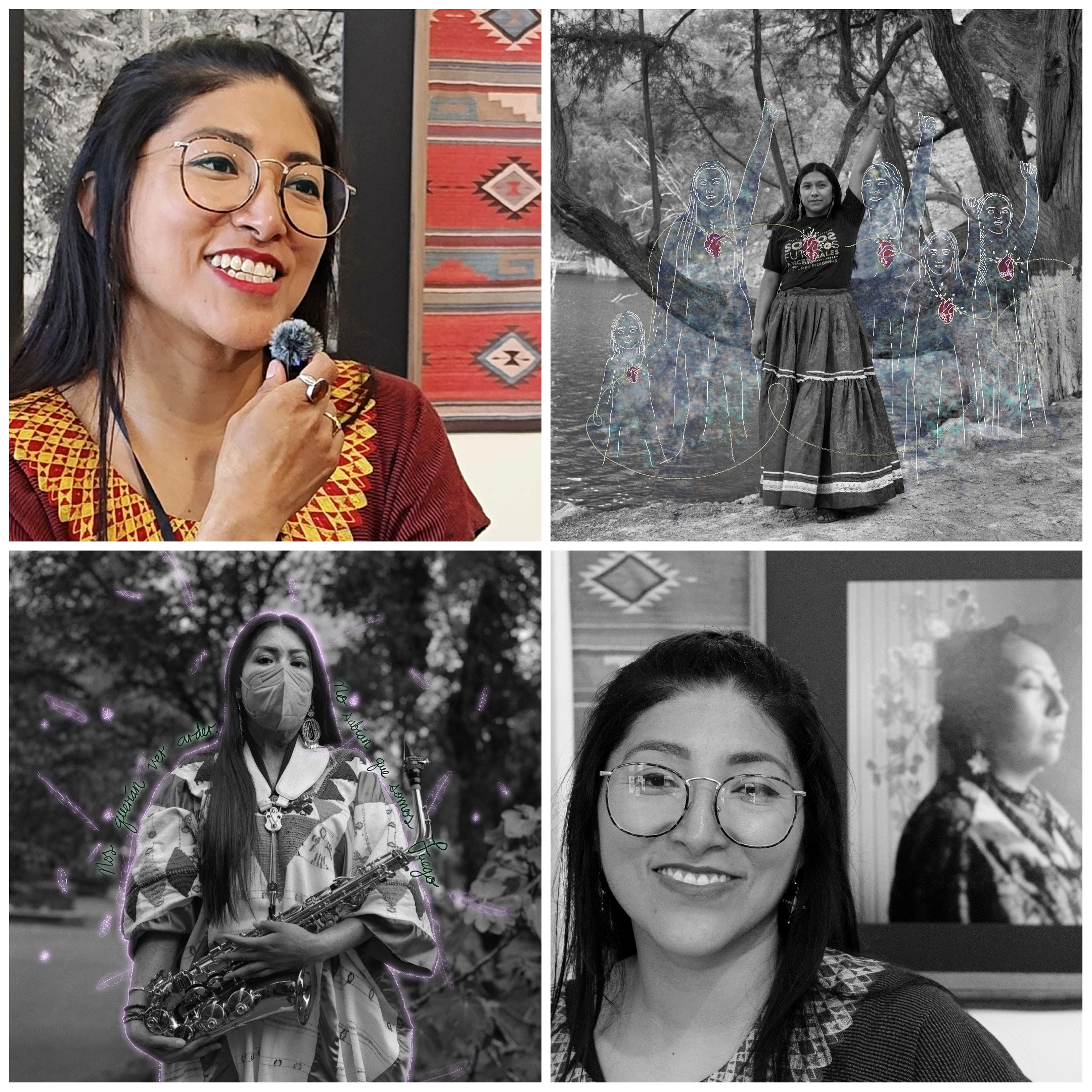
Latino Life: What was the initial inspiration for your series Bilha, Stories of my Sisters?
Citlali Fabián: At the end of 2023 I had the idea of bringing together the stories of these amazing women in Oaxaca doing all these amazing things and I am very lucky that they accepted my invitation to collaborate and work together to create the series. Through these women and their inspiring stories, I try to explore with them our indigenous identity, and the challenges we face today in relation to territory, migration, and community
LL: How did you first get into photography?
CF: Life really. My father had a photographic store in the city of Oaxaca. So I grew up watching people bringing their films to be developed and their reactions to the images when they saw the pictures. It had a big impact on me as I saw the effect that photography can have on everyday life, the memories captured, the weddings, baptisms, fiestas, all the important moments of people’s lives.
LL: So from helping your dad in the darkroom you went on to study photography?
CF: I was very lucky that I grew up in the city of Oaxaca, a place where a lot of things were happening, where culture and education were accessible to us in an affordable way. There are a lot of museums and cultural spaces, like the Centro Fotográfico Manuel Álvarez Bravo, so I was able to do workshops and start understanding photography in a meaningful way and develop as a photographer.
LL: Your portraits of the indigenous artists and activists in the series Bilha also incorporate digital drawings and motifs. What inspired that?
CF: I believe it is important to continuously experiment with photography and to question how we, as visual creators, can expand the possibilities of storytelling. I have been taking photographs for many years but it is only in the last few years that I realized I could do something beyond photography by adding illustrations or other multimedia elements. I have also been working with audio and creating video pieces, exploring the boundaries and finding ways to be more assertive in the way I share stories so they have a bigger impact on the audience.
Also, I didn’t want to portray the people here as models or sitters, they are an active part of the process and the work is a collaboration between us, so the inspiration for the illustrations on the final image comes from them.
LL: So what was your creative process for this series?
CF: I took the portraits using medium format cameras with traditional black and white film. As I said, I virtually grew up in my dad’s photography store and that impacted massively on the way I perceive photography. I really love the tangibility of a traditional printed image. It is not in the cloud, or somewhere virtual, you can physically hold it in your hand.
LL: A lot of the magic in traditional film photography happens in the darkroom. Do you develop your images yourself?
CF: Three years ago, I became a mother and this series is born from a desire to create inspiring female role models for the girls of the future. I normally develop my own images but for these images I needed help from friends because I was breastfeeding my daughter and didn’t want to get any of those magical photo chemicals in my bloodstream.
LL: When you started this series, who was your first sitter, and why?
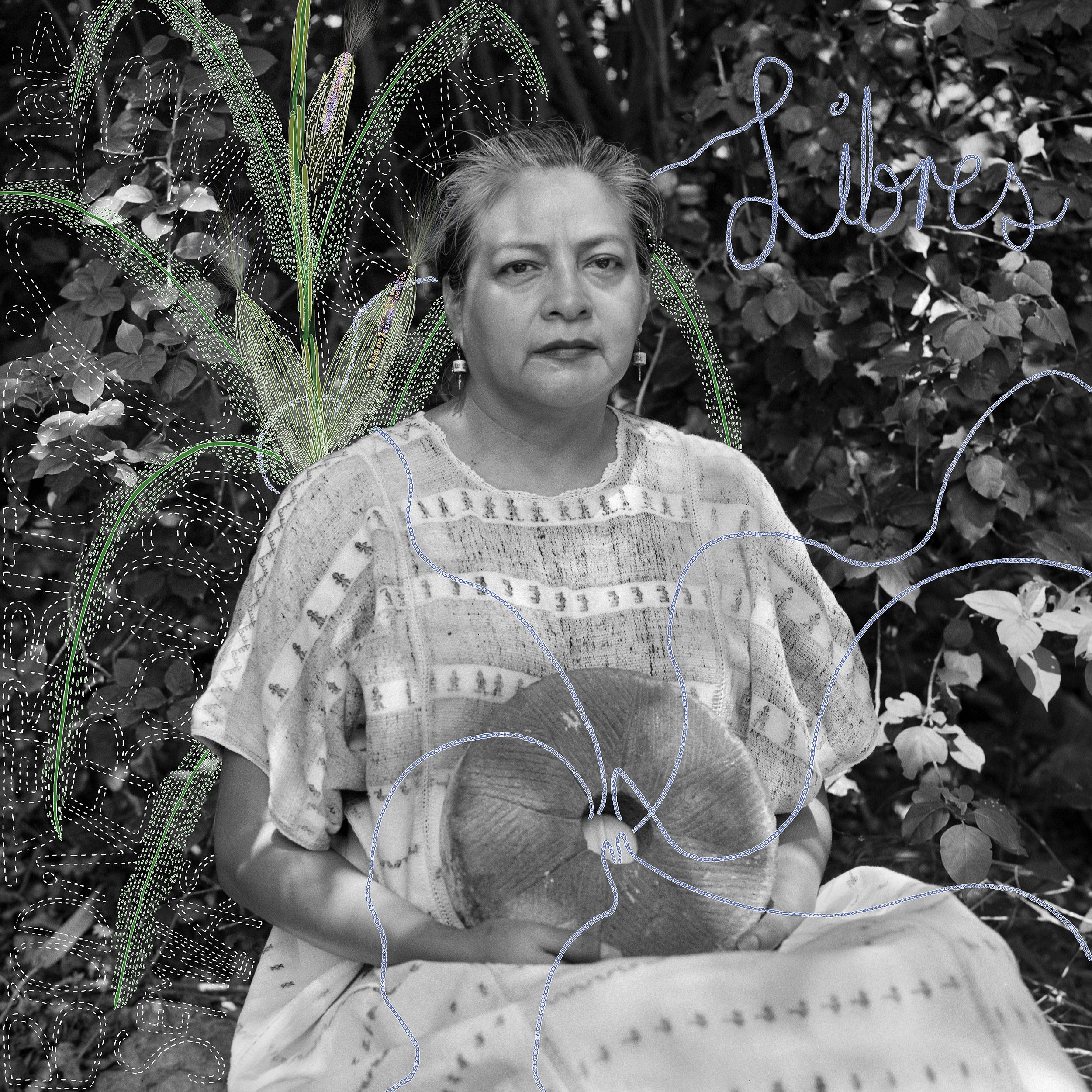
CF: I started with Edith Morales, an artist and activist from the Mixteca region of Oaxaca who talks about very important issues affecting Oaxaca, like the problems we have with water resources and the fight to protect native corn seeds from contamination by genetically modified corn (GMO). In the photo she is in a milpa, a traditional indigenous crop-growing system, surrounded by corn and the words seeds, biodiversity, territory, natives, free.
LL: The largest image in the exhibition and the one drawing a lot of attention is the photo of Mitzy Violeta Cortez, with her left hand raised defiantly in the air. Can you tell us something about her and the inspiration for the figures you drew alongside her?
CF: Mitzy is an environmental activist. She defends indigenous territory and created a social media platform for indigenous communities to talk about climate change and environmental issues called milpamerica.org. It is interesting to see how people are creating new ways to defend indigenous land. She is shown here with illustrations of her mother and ancestors and the new generation coming. They are connected heart to heart because they are joined in this battle together.
LL: One of the women in your series is the Zapotec rapper and activist Mare Advertencia Lirika (who co-wrote and performed a song for the movie Wakanda Forever). She is shown here in profile with blackberry leaves and branches.
CF: Like all the women in the series, I feel very moved by her story. She is a hip hop singer and we talked a lot about how she wanted to pose, and what she wanted to wear. She said she wanted her photo to reflect the idea of community. But how do you depict that? The blackberry is a plant that protects itself. It looks fragile but all these bushes grow together and protect each other. I drew the flowers and berries and hearts and hands instead of leaves to give that idea of community and how we can be strong together.
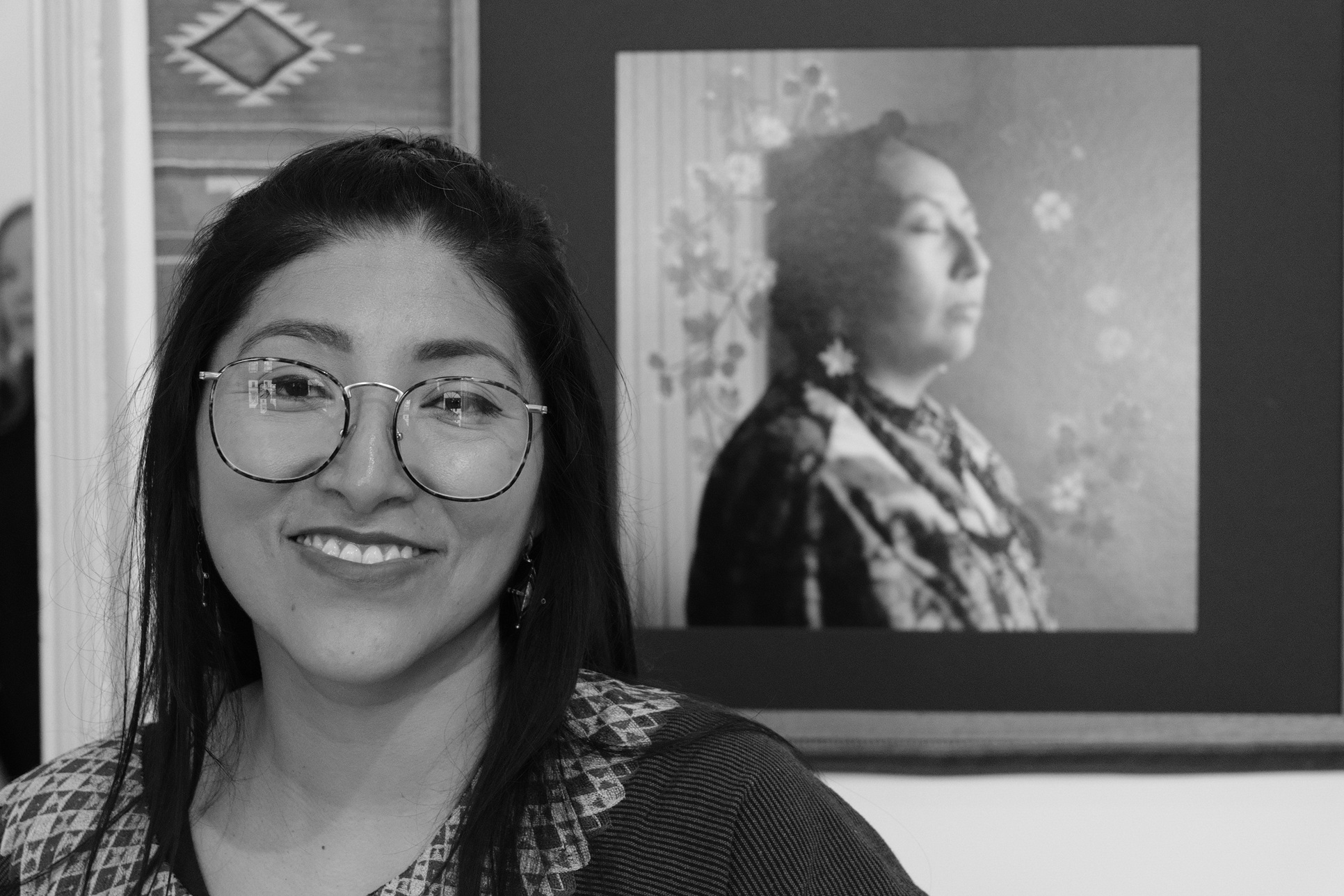
LL: She looks very still and meditative image with her eyes closed.
CF: If you look her up on Google you will see very different images of her as very strong individual, as you would expect from a hip hop singer. Here she is so serene, so in the moment. It is also a little bit out of focus, which gives a softness that she liked. I think this image is also about embracing the vulnerability that a lot of the time we are not allowed to show.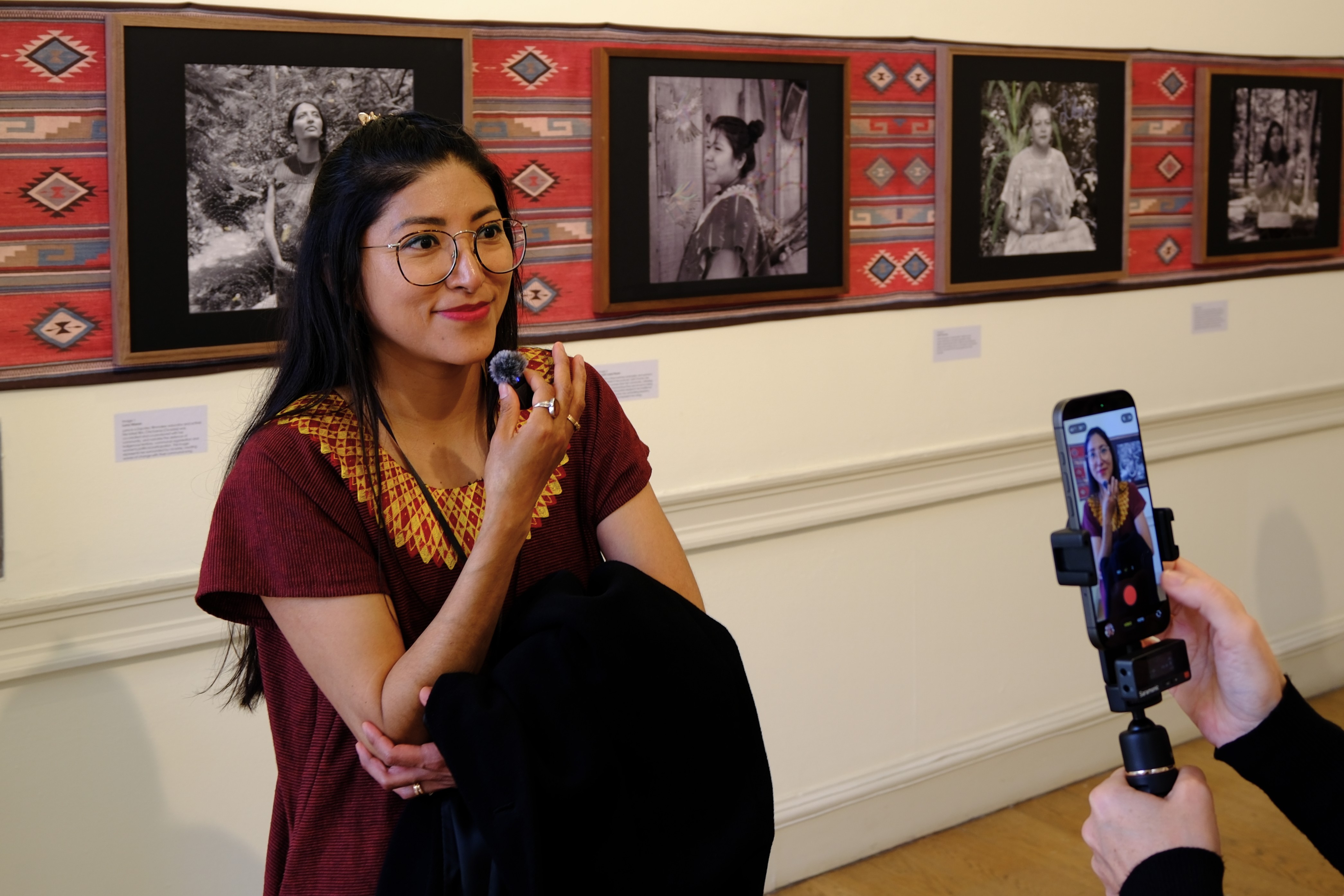
LL: Are you planning to continue this series or are you moving on to other projects?
CF: I hope to continue. The plan is to create a children’s book with 12 images from the series that will inspire young girls like my daughter so they can grow up feeling proud of their heritage. It is about honouring positive role models and shining a light on these amazing women who are generating meaningful change in their communities.
LL: So how does it feel to be the Sony Photographer of the Year 2026 and scoop one of the most important photography competitions in the world? As the winner you get $25,000, a bespoke set of Sony Digital Imaging equipment, and a showcase at next year’s award show.
CF: It is a very exciting feeling, really I’m still processing it, but overall I feel honoured to be able to share the stories of these women who I admire and who are truly inspiring and also excited just to be here in London at the Sony photography exhibition with a project that is so close to my heart.
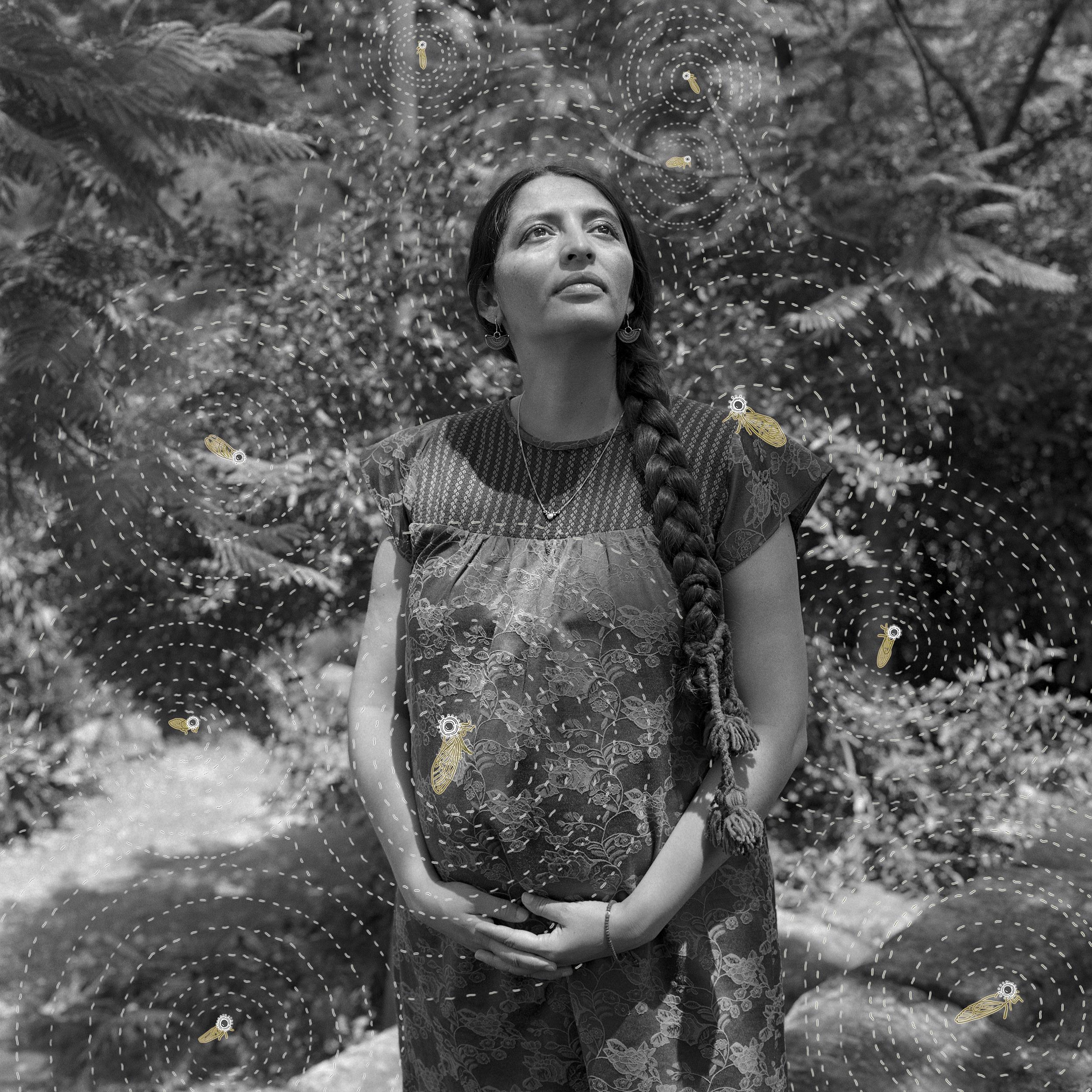
Luna Maran is a Zapotec filmmaker, educator and activist. Her latest film, Chicharras (Cicadas) was co-created and co-produced with her community, and narrates the defence of indigenous territory, communal organisation and women's political participation. This image represents her surrounded by cicadas, creating waves of change with their communal song.
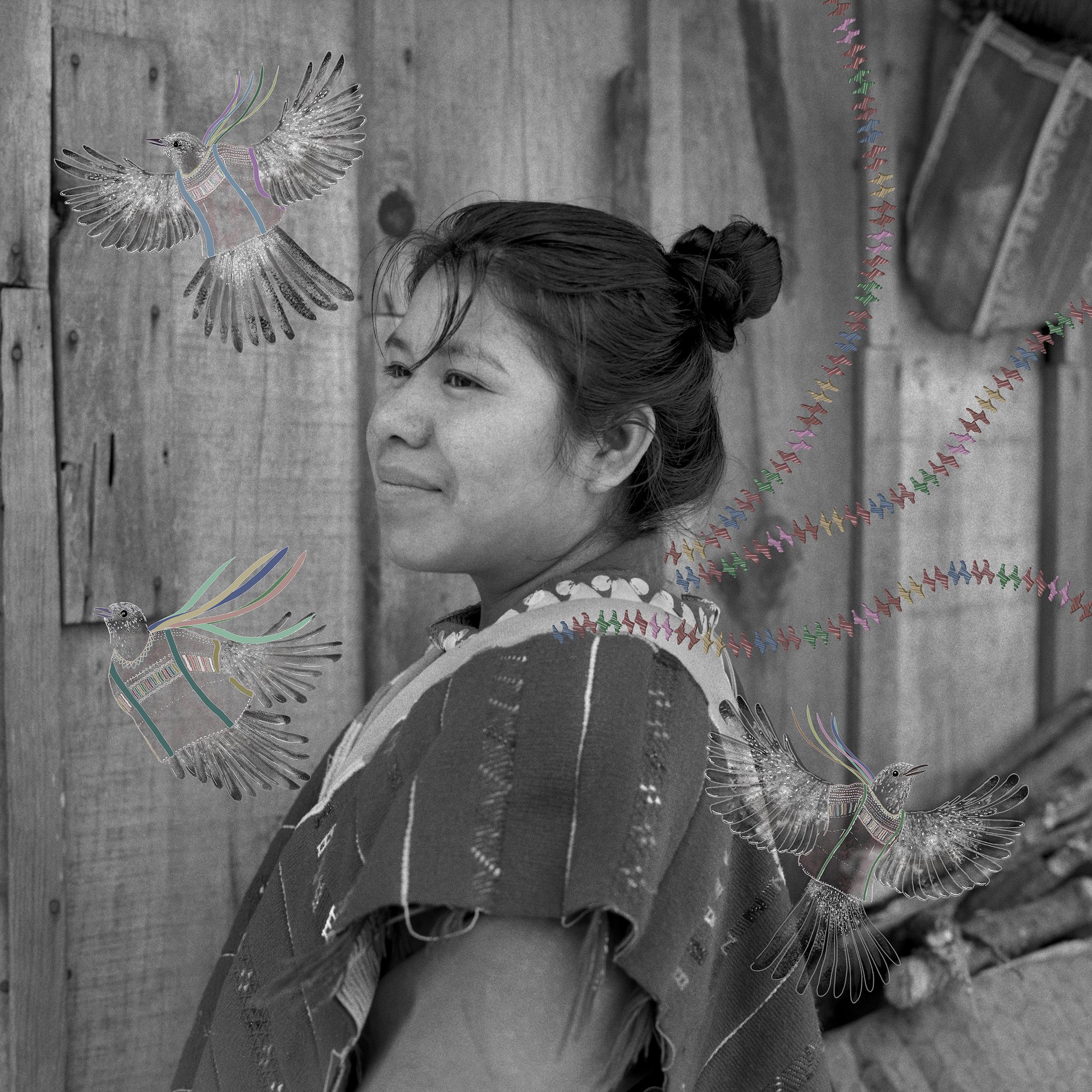
Nayelli Lopez Reyes is a triqui weaver, podcaster, and women's rights activist. In her podcast, Güií Chanáa, she spoke with women from her community, criticising the patriarchal practices they are forced to follow. In this image, flying birds dressed in her traditional clothing accompany her, symbolising freedom, while brocado lines represent her wings.
The 300 shortlisted images from The Sony World Photography Awards 2026 Exhibition at Somerset House in London are on display until May 4 - alongside a special presentation of street photography from Europe and beyond by the veteran US pioneer of colour photography Joel Meyerowitz.
Russell Maddicks is a travel writer, author and co-author of guidebooks covering the Balearic Islands, Colombia, Cuba, Ecuador, Guatemala, Mexico, Nicaragua and Venezuela. His latest book Culture Smart! Costa Rica was published in January. Follow him on Twitter and Instagram @LatAmTravelist.