The Group Stage: A High-Stakes Schedule in Group E
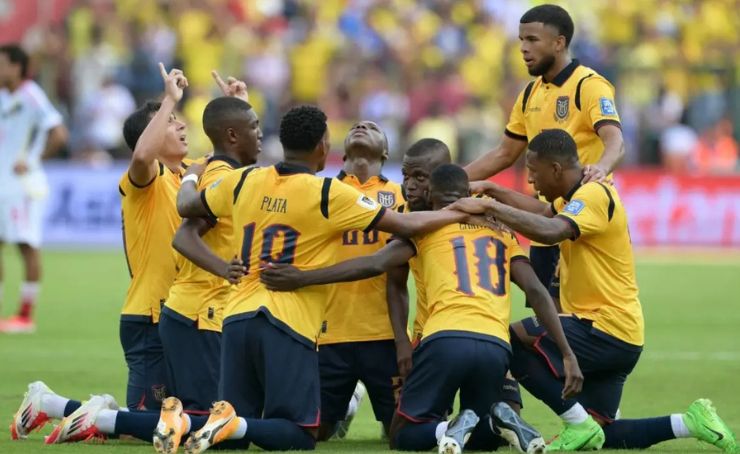
Ecuador was drawn into Group E, a group that builds toward a very difficult finale in New Jersey. Their recent friendlies in March—1-1 draws against both Morocco and the Netherlands—suggest they are competitive with top-tier opposition, but still looking for that extra clinical edge.
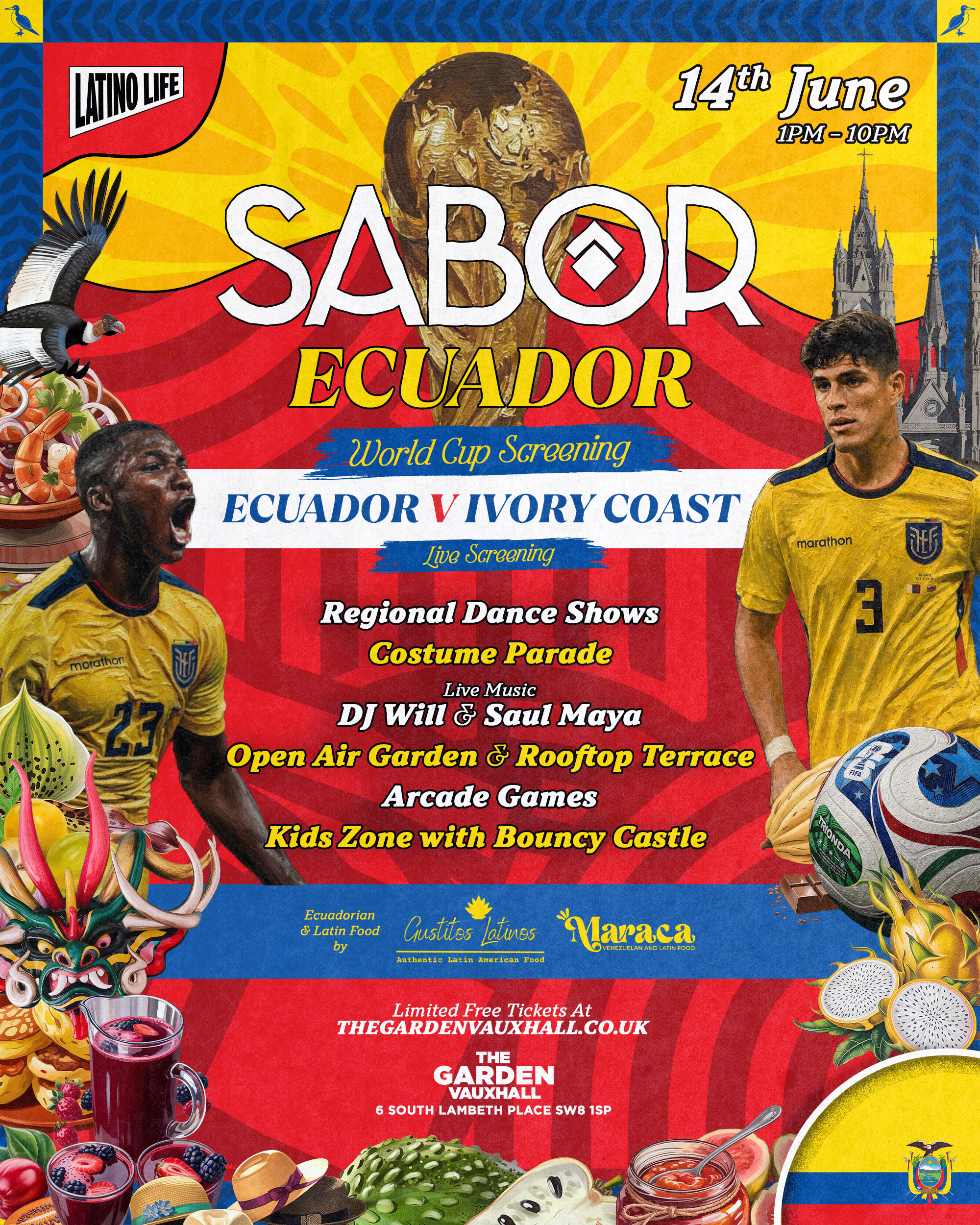
- Ivory Coast (June 14, Philadelphia): This is a physically demanding opener. Ivory Coast plays a style that mirrors Ecuador’s athleticism, so this will likely be a battle of transition play. Starting with a win is essential to avoid pressure later in the month.
- Curaçao (June 20, Kansas City): This is the game where Ecuador is the heavy favorite. It’s a match they simply have to win to ensure they aren't relying on a result in the final matchday.
- Germany (June 25, East Rutherford): The group concludes at MetLife Stadium. By this point, Germany will likely be fighting for the top spot. It will be the biggest test for Ecuador’s young defense to see if they can handle elite European pressure on a massive stage.
Administrative Realities: The FEF Context

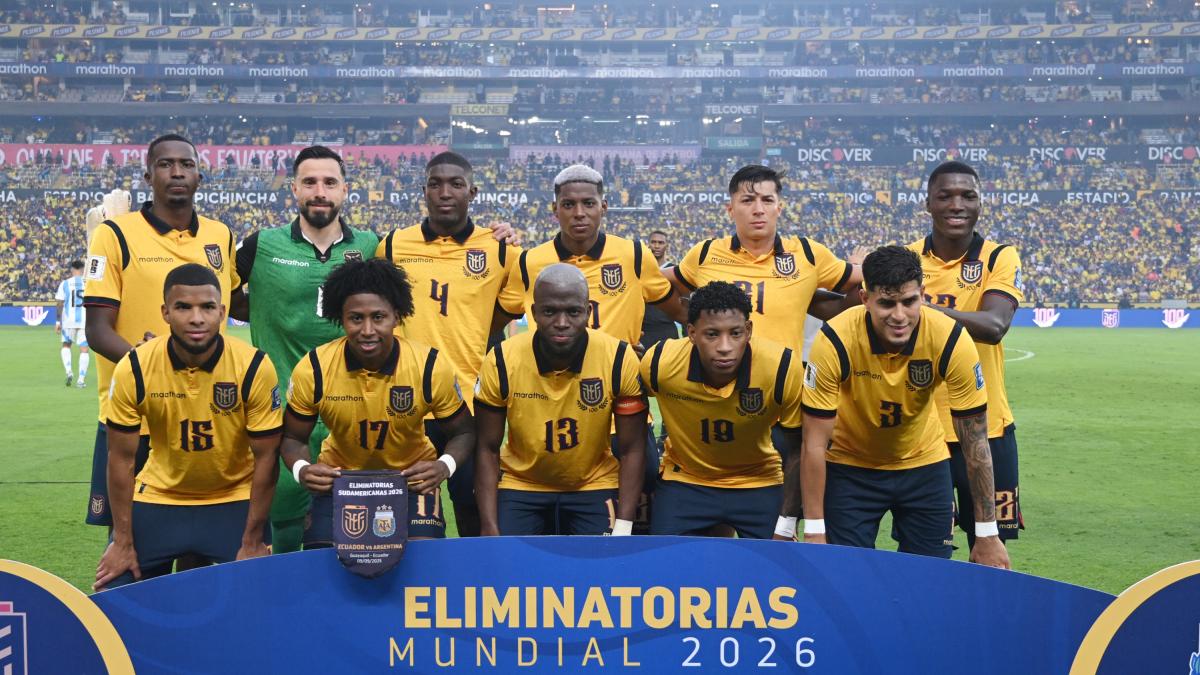
The institution behind the team, the Ecuadorian Football Federation (FEF), has had a complicated few years. While the team has been successful on the pitch, the federation is still navigating the financial and legal fallout from previous administrations. Most fans remember the Byron Castillo case that resulted in a point deduction for the qualifiers, which created a bit of a "defensive mentality" within the squad. For the current manager, Sebastián Beccacece, the main task has been maintaining stability and keeping the players focused on football while the federation deals with ongoing internal restructuring and financial oversight.
The Odds: The 1% Factor
According to data from the Polymarket prediction exchange, Ecuador currently has an implied probability of roughly 1% to win the tournament. While that sounds small, it actually puts them in the top tier of South American teams outside of the "Big Two." The markets view them as a dangerous underdog—a team that might not win the whole thing, but has the defensive structure to knock a major favorite out of the bracket.
The Spine: Chelsea Connections and the Striker Dilemma
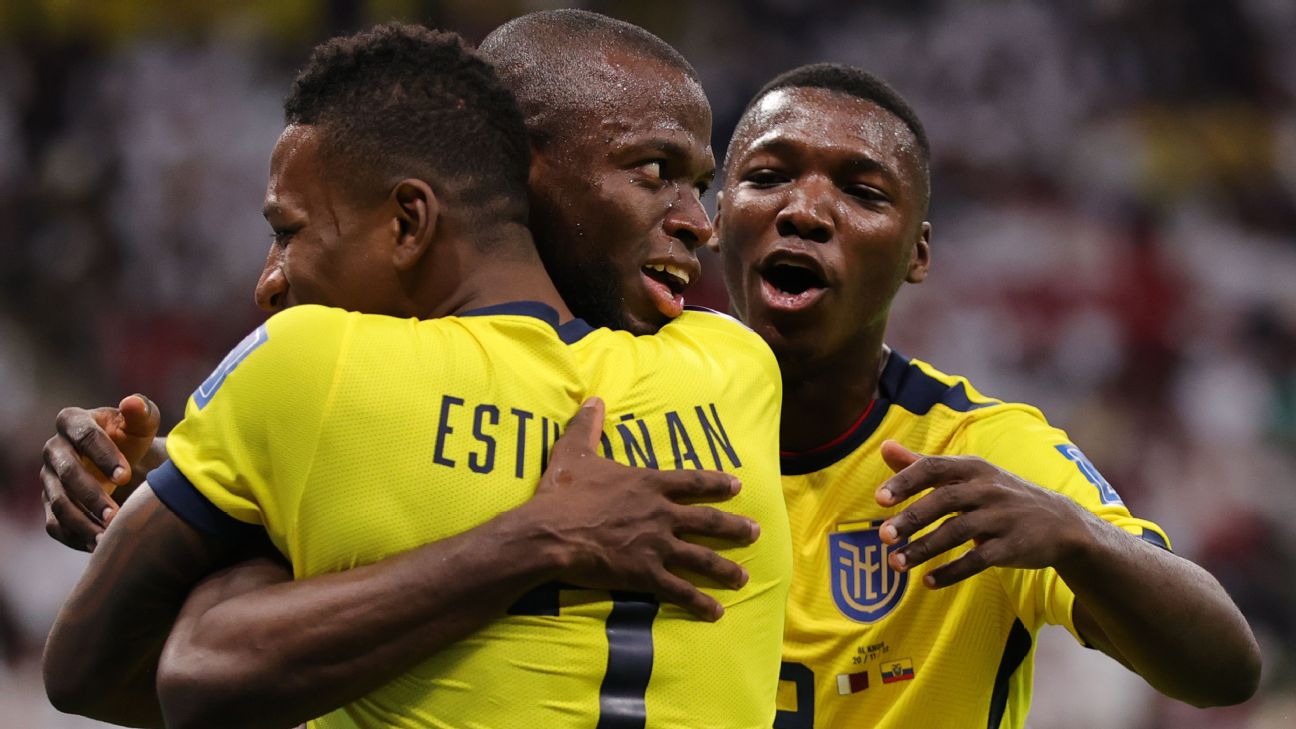
The team is built around Moisés Caicedo. His performance at Chelsea this season—averaging a 92% pass completion rate and showing massive defensive work rates—confirms he is the engine of this team. Behind him, Piero Hincapié and Willian Pacho provide a young, athletic center-back pairing that is now well-established in Europe.
The main concern remains the attack. Enner Valencia is 36 now, and while he is still the captain and a national icon, there are questions about his longevity. Leo Campana was called up for the March friendlies following good form in MLS, and the team is hoping he can provide the secondary scoring threat they’ve lacked in previous tournaments.
The Player to Watch: Kendry Páez
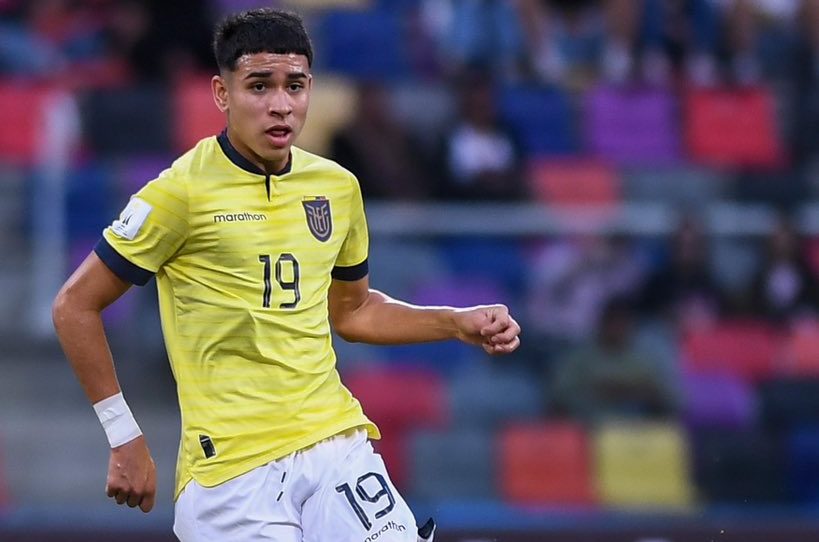
If you follow the transfer markets, you’ve likely heard of Kendry Páez. At 18, he is the creative hope for the country. His path hasn't been perfectly linear; he recently had a difficult loan spell at Strasbourg before moving to River Plate to get more consistent game time before eventually joining Chelsea. Despite some of the noise around his move to Europe, he remains a regular for the national team. He is a technical, left-footed playmaker who offers a level of creativity that Ecuador hasn't traditionally had in their midfield.
The Competition
If Ecuador advances from Group E, their path likely goes through the heavyweights of Group F or Group G, which could mean early dates with Spain or Belgium. Their biggest challenge is consistency; they have shown they can frustrate the best teams in the world, but to reach a quarter-final or further, they will need to find a way to win those games rather than just holding on for a draw.
Ecuador enters 2026 with an athletic, modern team that is no longer intimidated by the world's elite. They are organized and well-coached, and while they aren't the favorites, they are a team that nobody is going to enjoy playing against.
Watch all the Latin American matches at LatinoLife's World Cup Fiesta. Huge Screens & Sound, Latino Street Food & Drinks, Music & Fiesta Vibes, DJs and shows before and after every match. Open-Air Beer Garden with covered areas for all weather. Tickets for Ecuador match below