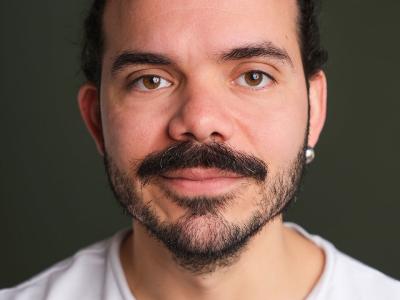
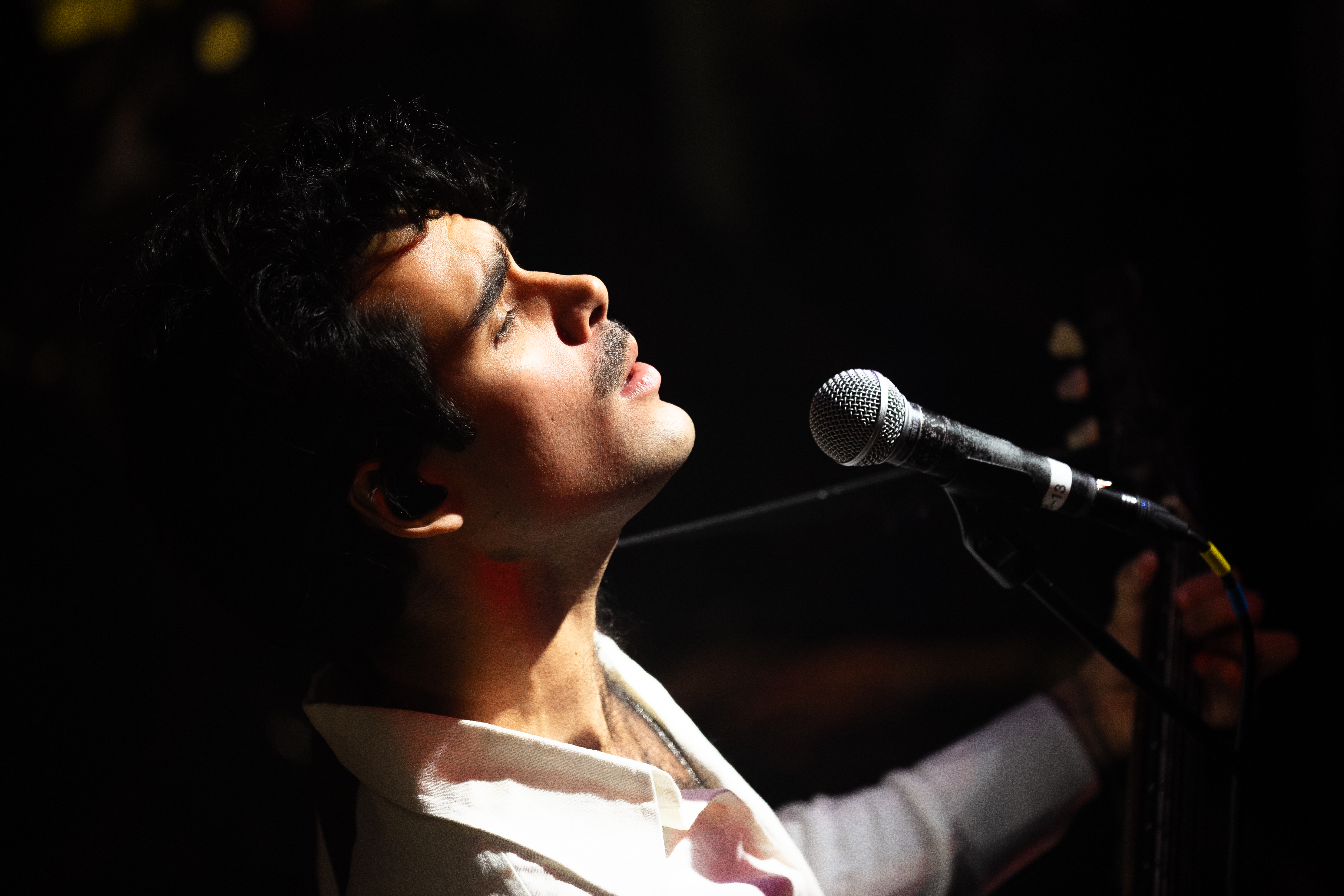
On June 2022, a relatively unknown Zé Ibarra accompanied Milton Nascimento on his goodbye European Tour. "If God were to speak to mankind, He would speak with Milton's voice," Elis Regina once said, one of the most important Brazilian singers of all time. Unfortunately, Milton's health was already weakened that night, and he had invited the young Zé Ibarra to what seemed to me the most thankless of tasks: singing Milton's songs, under the presence and gaze of the man himself. But when Zé Ibarra opened his mouth, my jaw dropped, as did the mouths of most of the audience that night. Who is this guy?
It turned out Zé Ibarra was not so unknown in Brazil. In 2022, he was already a member of Bala Desejo, a Brazilian band with which he won the Latin Grammy for best pop album. However, touring nationally and across Europe alongside Milton Nascimento certainly put him in the spotlight and gave him a special aura, a kind of blessing: it was as if Milton were introducing his artistic heir to the world.
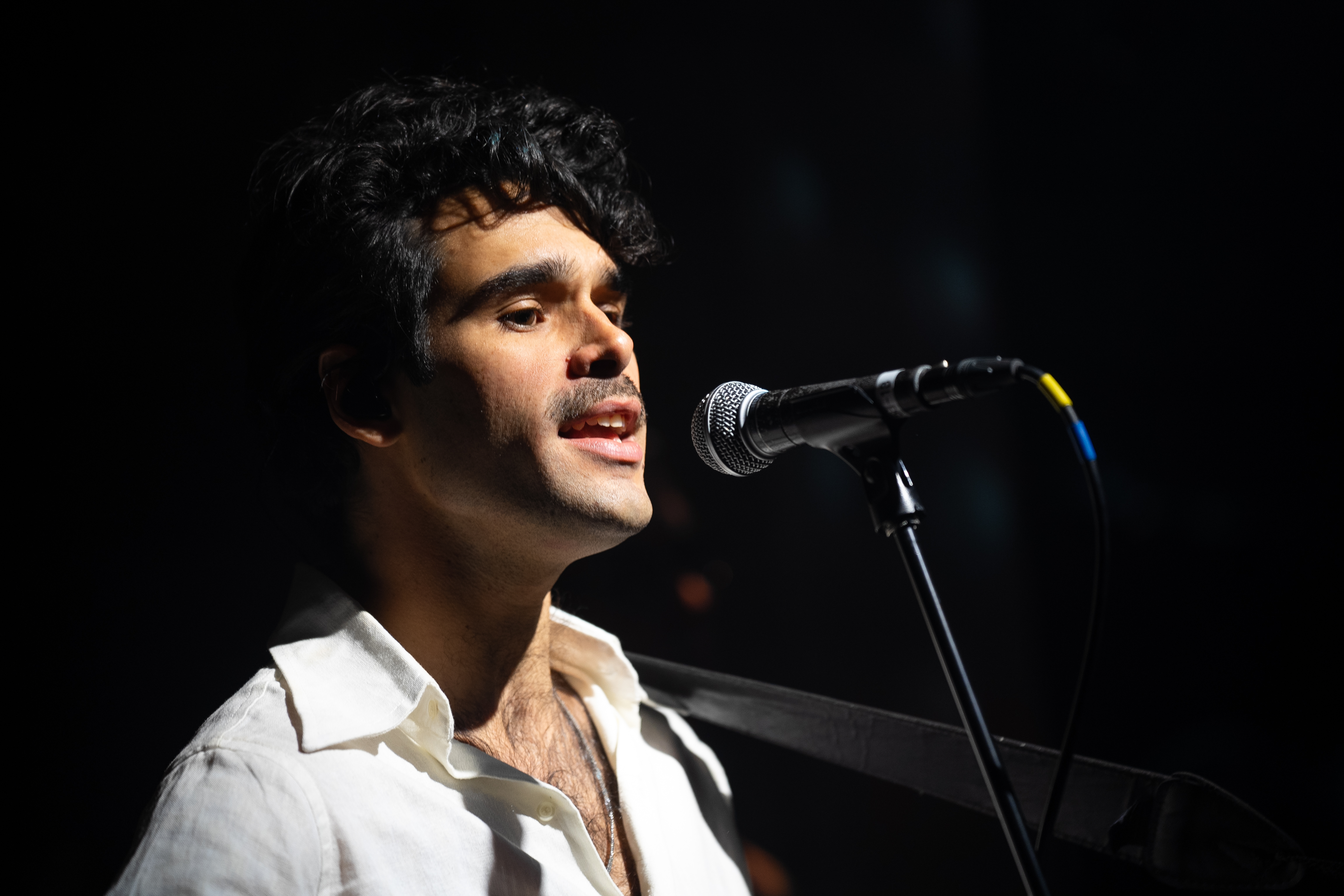
Now, as a solo artist, Zé Ibarra is touring his second album AFIM. He is accompanied by fine young musicians who seem to have been playing together for years, not only because they sound tight, but because all of them appear to be genuinely enjoying themselves. As a matter of honour, he sang Dos Cruces, a song by Spanish composer Carmelo Larrea that Milton made famous in Brazil.
He also recreated Olho d'Água, by Brazilian giants Caetano Veloso and Waly Salomão: "the eye with which I see God is the same eye with which He sees me," go the lyrics, quoting the medieval mystic Meister Eckhart. When Zé Ibarra sang it, a new meaning was revealed to me: music and art are the human capacity to create divine beauty in the world, and for a while, I took the Jazz Cafe as a more authentic cathedral than any institutionalised sacred building.
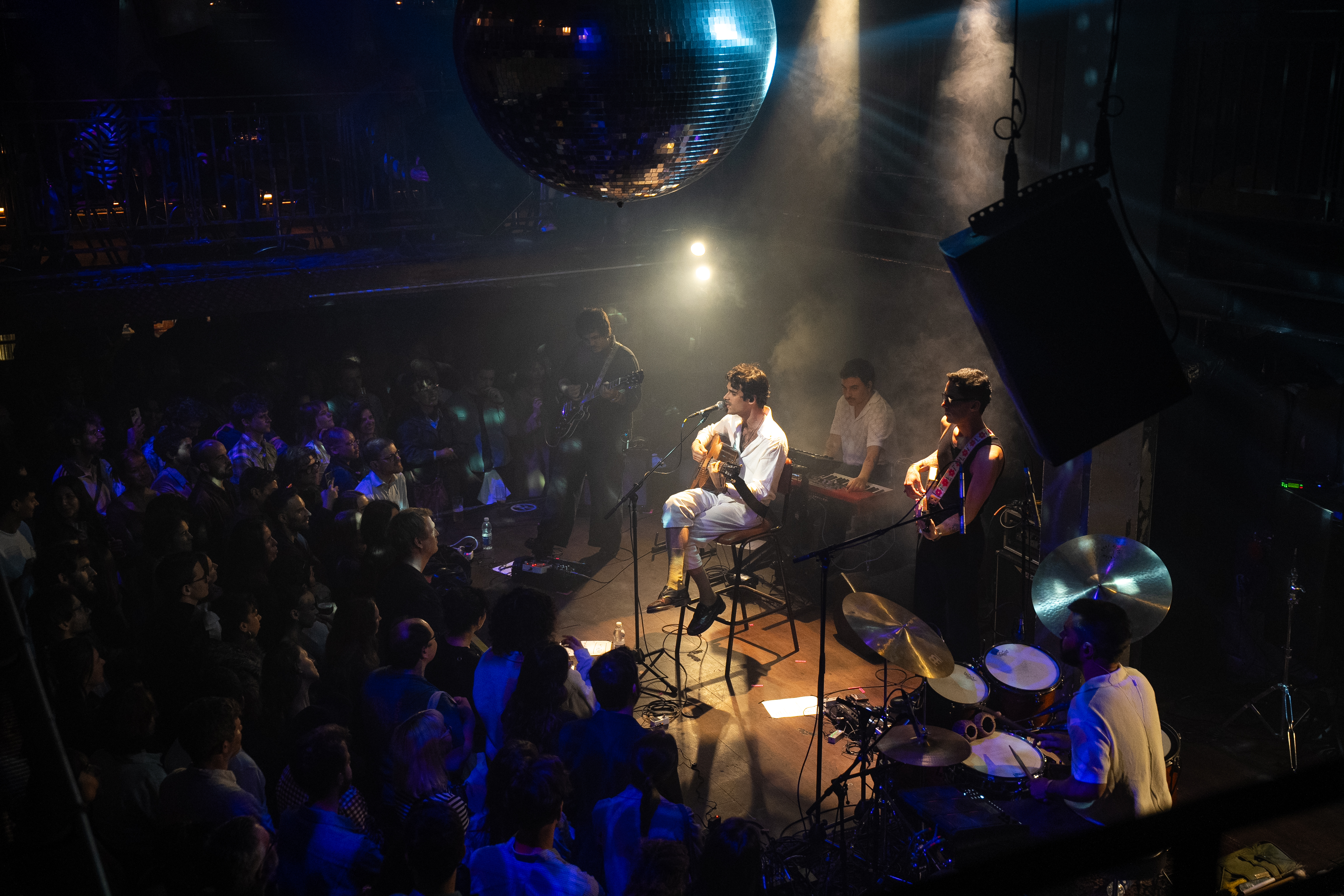
Zé also played several songs of his own with the same conviction he brought to those less obvious Brazilian gems. Originally a pianist, he ventured a solo onto acoustic guitar and almost apologised for it, unnecessarily: a good solo is not the same as virtuosity, and what Zé got as a pianist is a musicality that translates just as well to the acoustic guitar.
At the encore, Zé was so at ease that he took off his shirt and played one last song accompanied only by his remarkable bassist, until the producer signalled from the back of the stage that his time was up. The curfew brought an end to a gig that could easily have lasted longer.
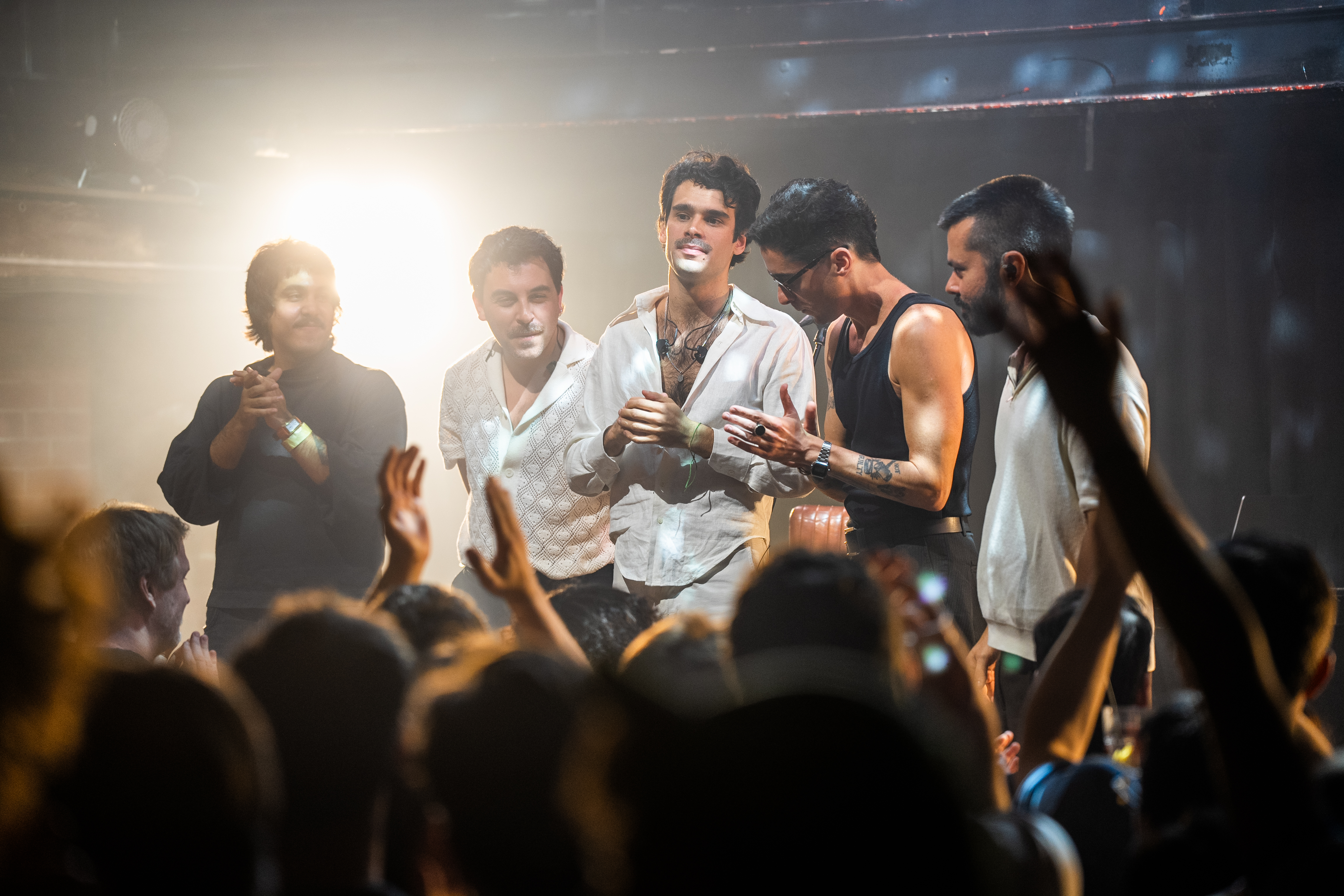
Zé Ibarra: Vocals and acoustic guitar
Guilherme Salgueiro: Keyboards
João Oliveira: Guitar
Frederico Heliodoro: Bass
Thomas Harres: Drums
Braulio Bastos: Sound engineer
Photos by Roda Audiovisual