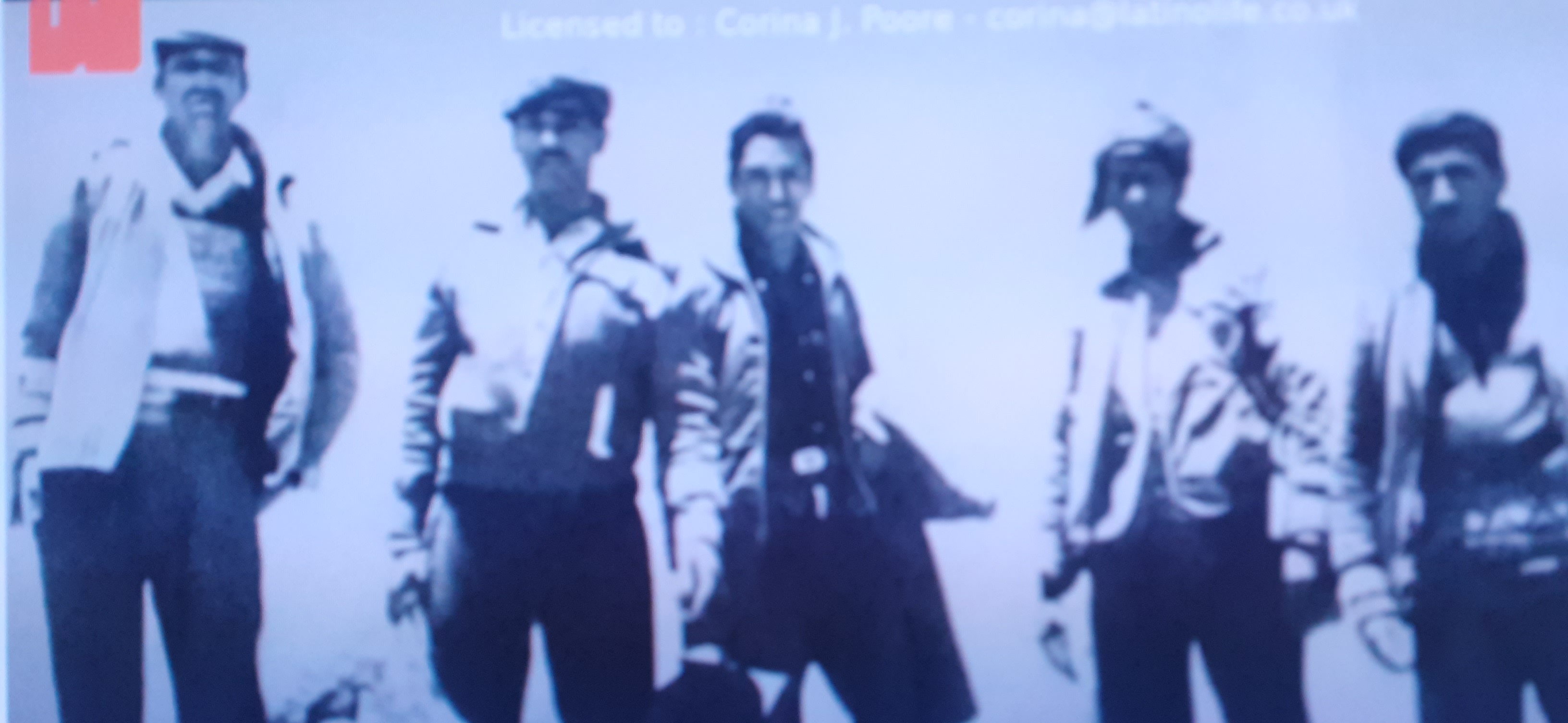
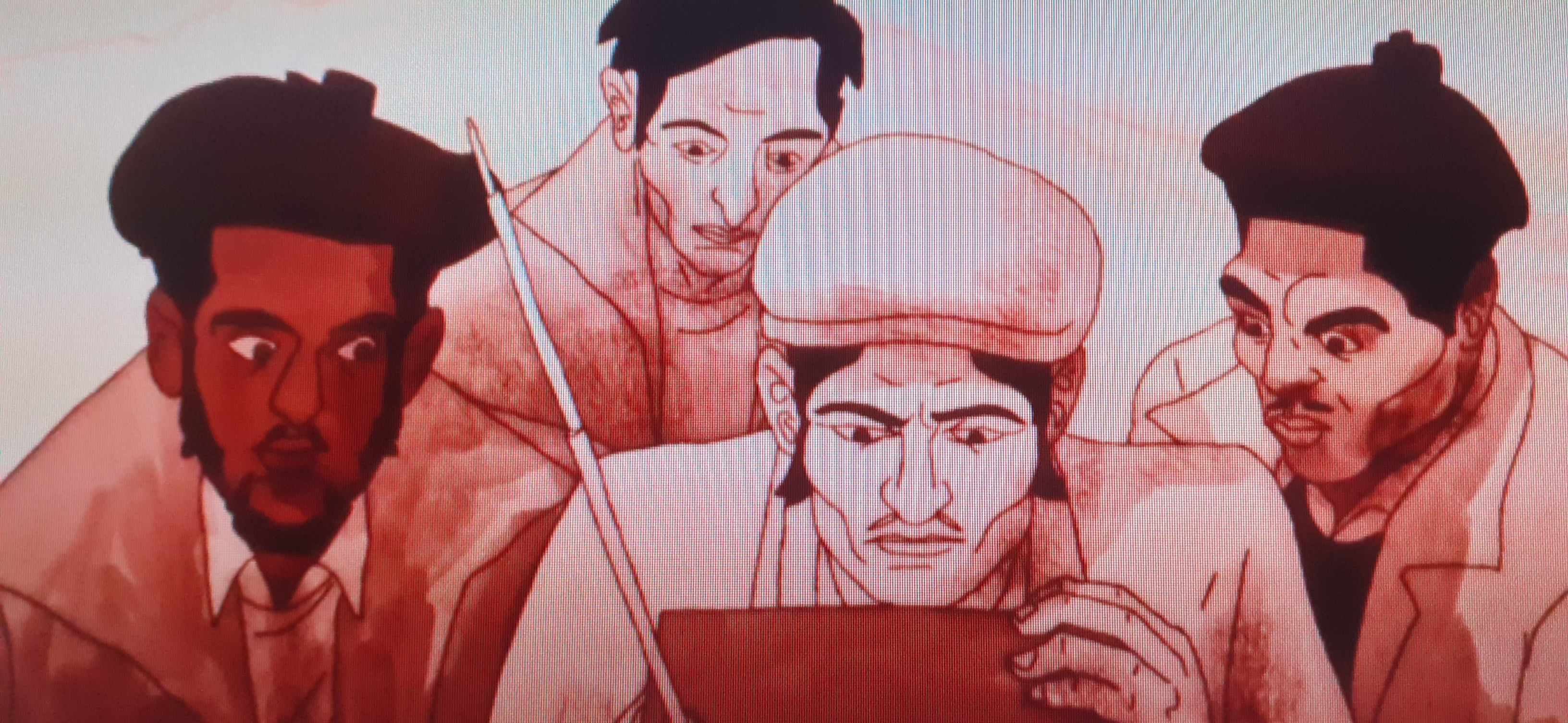
Beningo, Urbano and Pombo with their two Bolivian Guides, El Negro and Estanislao Vilca
“The improbable is always possible” Régis Debray
“This is the story of all those who fought for the revolution but whose names remain unknown.”
There is something intrinsically moving about the phrase that opens this documentary. The story of the men who fought alongside Che, but of whom we have never heard. Many names will still remain unspoken, but thanks to this moving documentary, the sacrifices of a few have come to light.
Che Guevara shortly before his death in La Higuera, Bolivia.
In 1967, Che Guevara’s dream of inciting a rural revolution in Bolivia came to an abrupt pause. Things had gone wrong from the start. The men had all learned to speak quechua and then found that the locals only spoke Guaraní. This inability to communicate the reason for their presence to the local peasants in the area turned out to be lethal, as their positions were being constantly reported to the authorities by the locals, who were more terrified of this group of armed foreigners wandering about their villages, than of the army itself.
This resulted in Che’s platoon of 17 guerrillas being ambushed in the Churro Ravine by soldiers from the Bolivian army in October 8th 1967. In the inevitable clash, Che was badly wounded in the leg and captured, with all his comrades shot dead. Six others, being further up the ravine were missed. Of the 17 guerrillas that were with Che that day, only those six were to survive this deadly encounter. Among them were three Cubans, who had sworn allegiance to Che many years earlier, having fought beside him in Cuba, in the Sierra Maestra, where they had acquired the essential survival and combat skills that were now to serve them well.
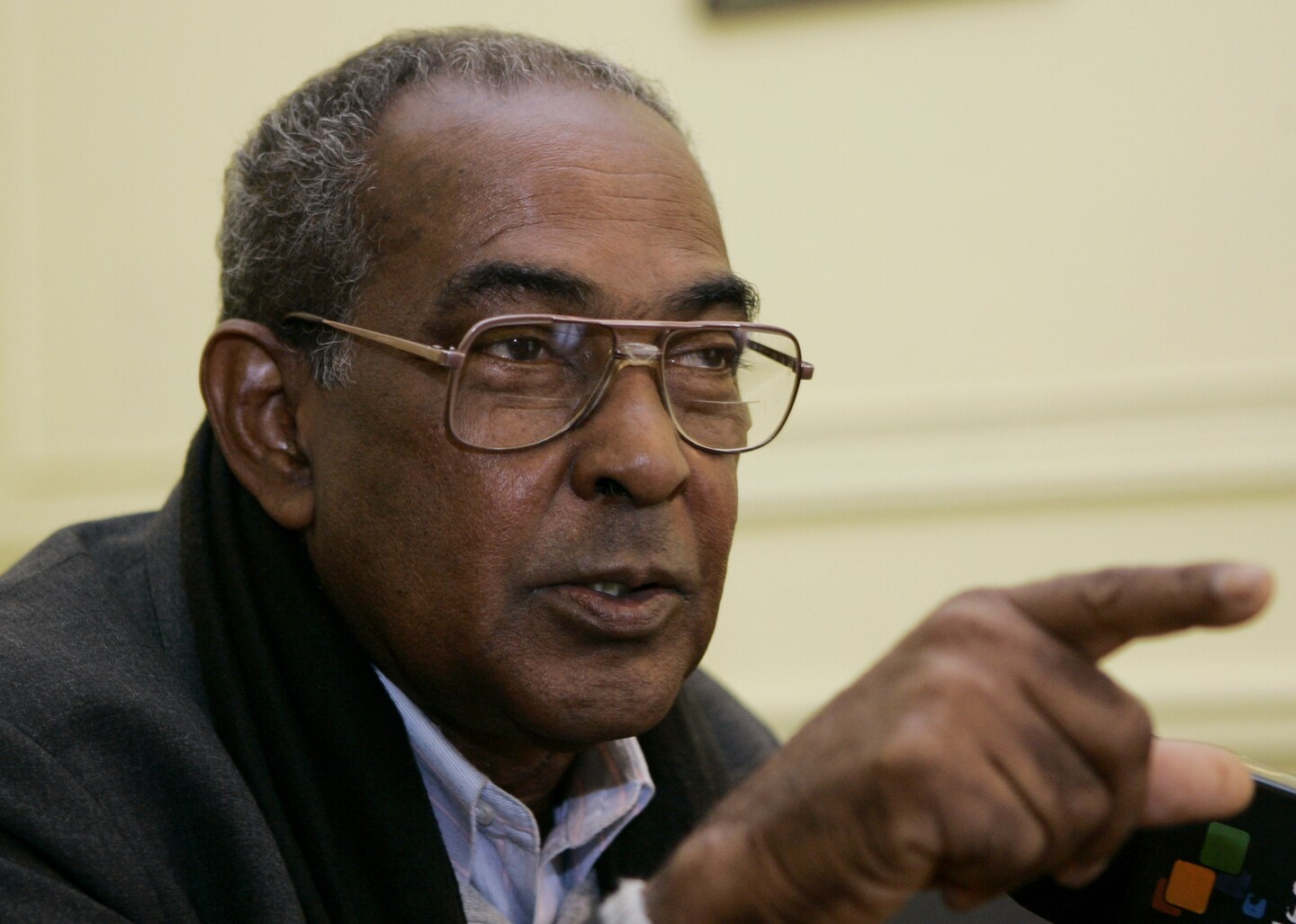
Pombo (Harry Villegas) in interview.
These were Pombo, (Harry Villegas) Che’s right-hand man, Benigno (Dariel Alarcón Ramírez), the advance guard man,and and Urbano (Leonardo Tamayo Núñez), the risk- taker. They were accompanied by three Bolivians, Darío (David Aroca Guzmán), the silent one who had escaped the misery of the mines, Inti (Guido Peredo) political commander and great fighter and El Ñato (Julio Luis Méndez Korne) the resourceful jack-of-all-trades. Very popular in the group, he functioned as carpenter, cook, medic, and even shoemaker, having crafted some raw leather sandals for Che, when his boots fell apart.
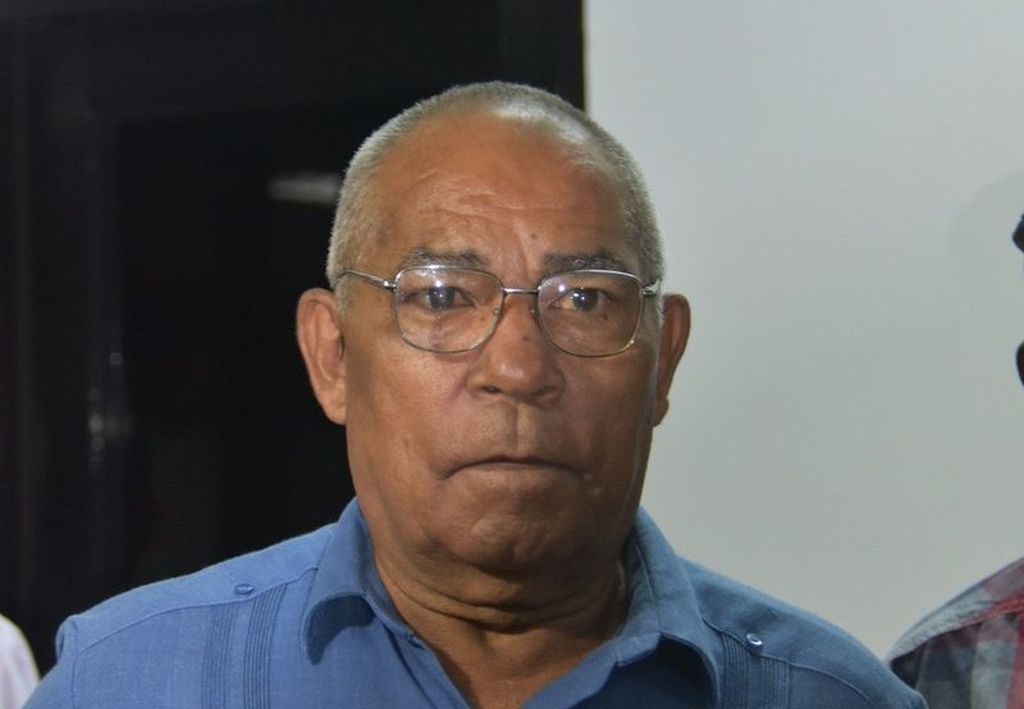
Urbano (Leonardo Tamayo Núñez) in interview
The revolutionary call of PATRIA O MUERTE was to turn out to be only too true. Initially, concealed on either side of the ravine, where they had been told to remain as look-outs, the survivors could hear gunshots but had no idea Che had been wounded let alone captured. That night, when they returned to the spot where they had last seen Che, they found only his abandoned medical kit.
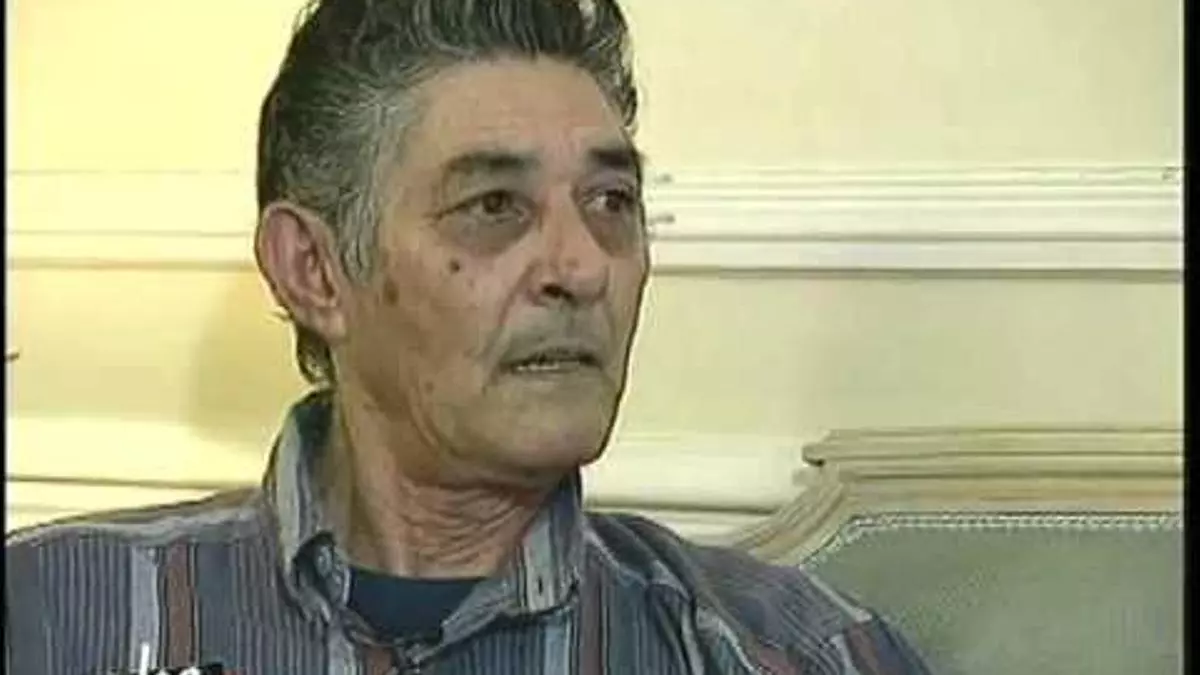
Benigno (Dariel Alarcón Ramírez)
Pombo had been shot in the leg and Benigno, in his shoulder. Inti’s foot was also injured, so it demanded great resilience for the men to continue to evade the soldiers in that difficult terrain. Benigno had a small transistor radio, through which they found out Che had been captured, but, crucially, they had no idea he was being held only some 500 yards from where they were hiding, incarcerated in a small school house in the village of La Higuera. Later, it was to be a source of huge distress to them to discover that they could have mounted a rescue attempt, even if they might had died in the process. Something they were all willing to do. News of his execution (albeit deceitfully described to make it look like he had died from combat injuries) was devastating for the men, but, at no time, did they consider giving up the fight.
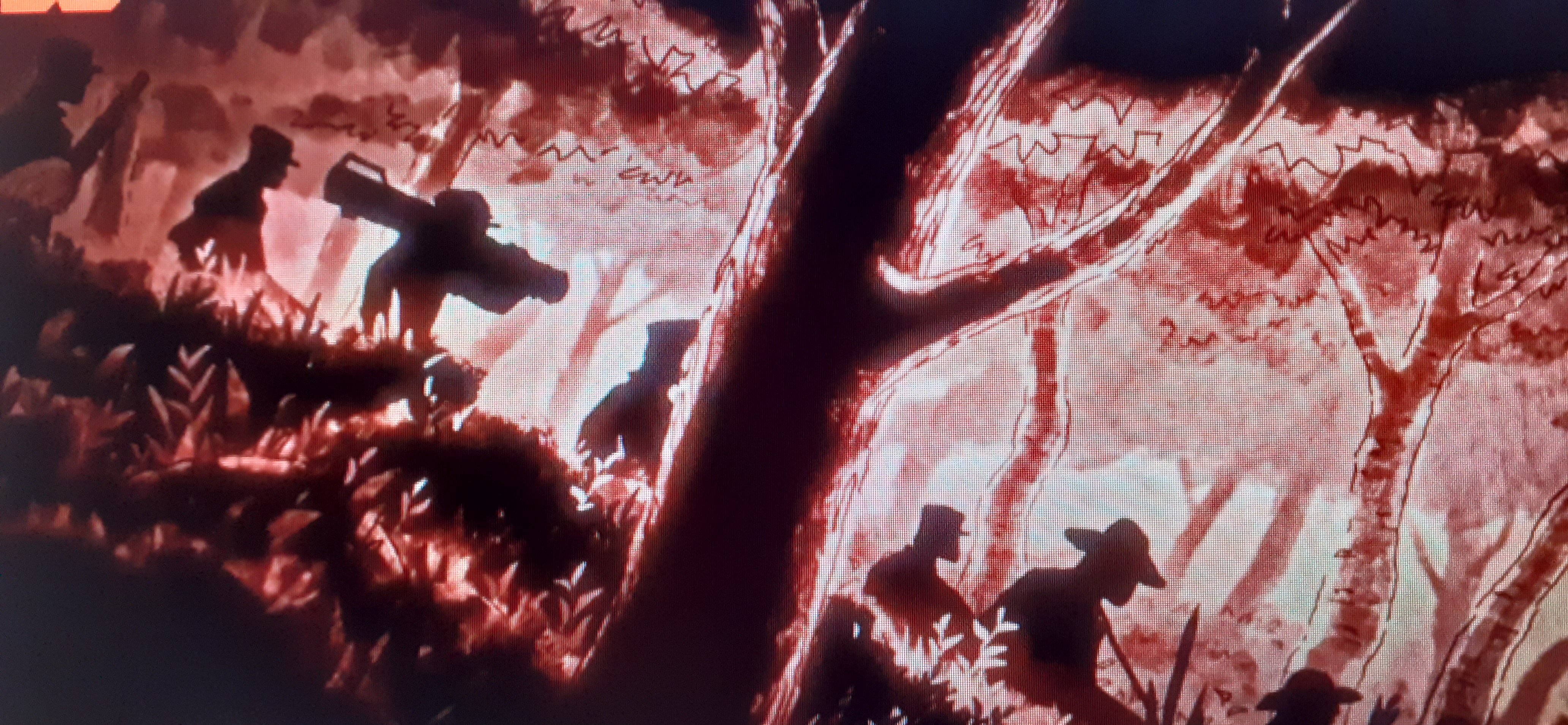
Aware of their precarious situation, they divided themselves into pairs and made a fateful pact that should one of the pair be so seriously wounded as to be unable to continue, his partner would take the responsibility of helping him continue or if necessary, end his life. When the occasion arose, they all regretted having made this pact, but Benigno, when the Bolivian El Ñato had his spine shot to pieces leaving him paralyzed, openly wept, but kept his word.
Frequent military checkpoints meant the use of any form of transport was well-nigh impossible. Almost totally surrounded, they were being hunted by a 4000 strong Bolivian Army, a number of whom had been specially trained by the Green Berets. Despite their desperate hunger and bad condition, they realized they would have to continue walking through the arid and difficult terrain as no help was available, hoping they hoped they could reach a major city where they could, more easily, disappear.
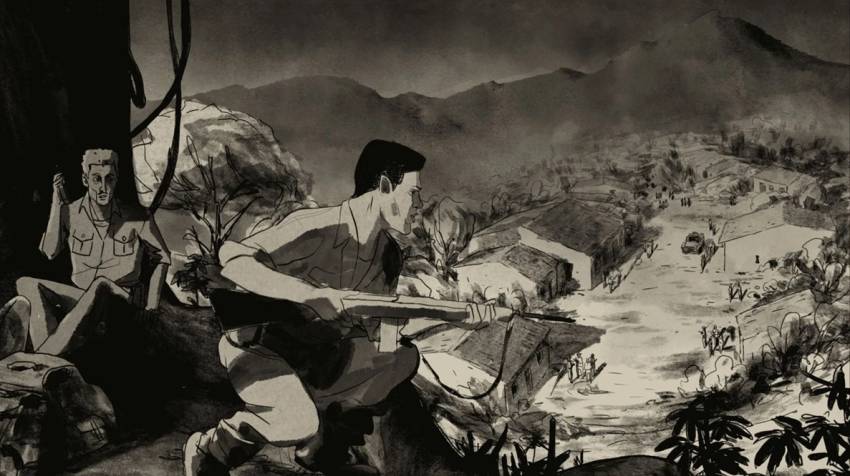
Director Christophe Dimitri Réveille tells their story with immense empathy for their plight and the documentary also turns out to be a valuable historical document. So much false news has surrounded all this period, that having a carefully researched document like this, is invaluable. With a seamless combination of old archival footage and photographs, more recent interviews and some extremely effective animation (by Eloïc Giménez), Réveille has recreated this extraordinary journey with consummate skill. I noticed that there was one very negative review of the film, and I wondered why I liked it so much. Possibly because as a Latin American myself, this is not just any story, but a definitive part of our collective history.
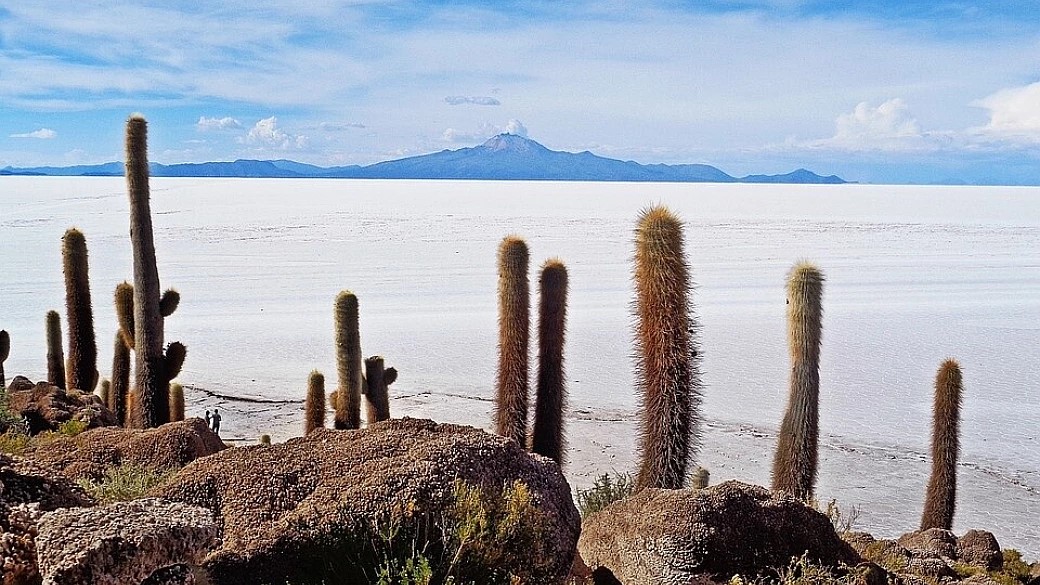
Salt flats in Bolivia crossed by the men
Humorous and quirky situations also arose. At one point, a dog attached himself to the small group and they became so fond of him that, when they realized the soldiers had captured the dog after a skirmish, they turned back, despite having just successfully evaded them, just to rescue him! The soldiers could not understand their action of risking their lives to save a dog, and, at the same time, they were also bewildered at having done so. But as it happens, it turned out to be extremely fortuitous.
The soldiers and the locals began to mythologize that they had special extraordinary powers; that they were shapeshifters and invincible animal-men. Was the dog a man in dog form? This myth took hold among the local population and even the soldiers, leading people to fear them for being ‘supernatural’ creatures. On one occasion when drinking by a stream, they were spotted by a small Bolivian patrol. When the guerrillas called out: ‘Soldiers’! The Bolivian soldiers on the clifftop gasped in horror and fled in terror at having been spotted. Not surprising, as Pombo had been imagined as a massive 8-foot black guy wielding 2 machine guns.
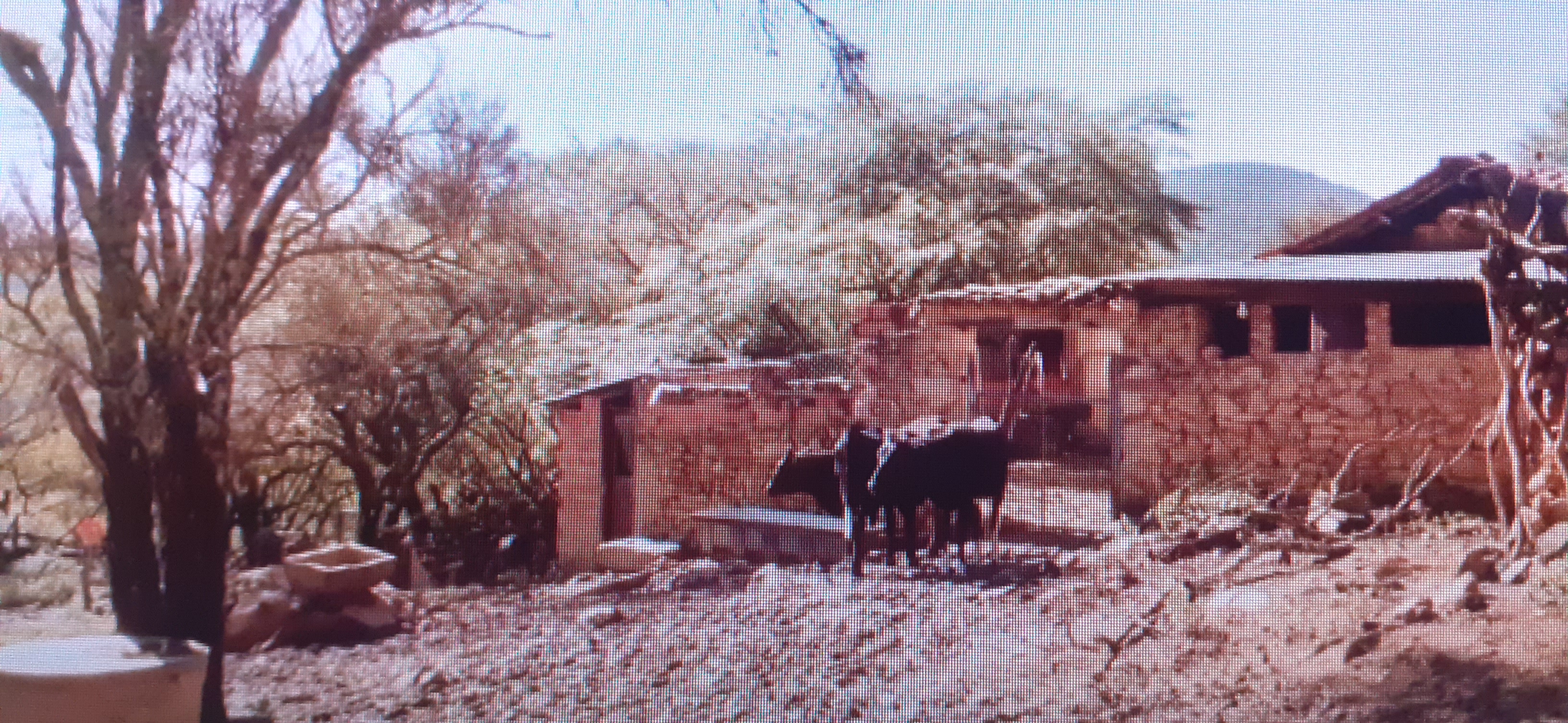
A farm in Bolivia like Don Victor's
But being unable to seek help from the locals as they feared being denounced, they were getting weaker all the time and could barely continue. They were saved by a local farmer, Don Victor, who appreciated that they were prepared to pay him for the goods, unlike the soldiers who had previously raided his farm on various occasions stealing everything they could lay their hands on. Perhaps unaware of the risks into which he was putting himself and his family, Don Victor sheltered the men for a month till they regained their strength, possibly also saving their lives. Eventually, fearing for the farmer’s safety, the men decided to continue their trek, criss-crossing the country in search of safety, facing hypothermia, starvation, and thirst.
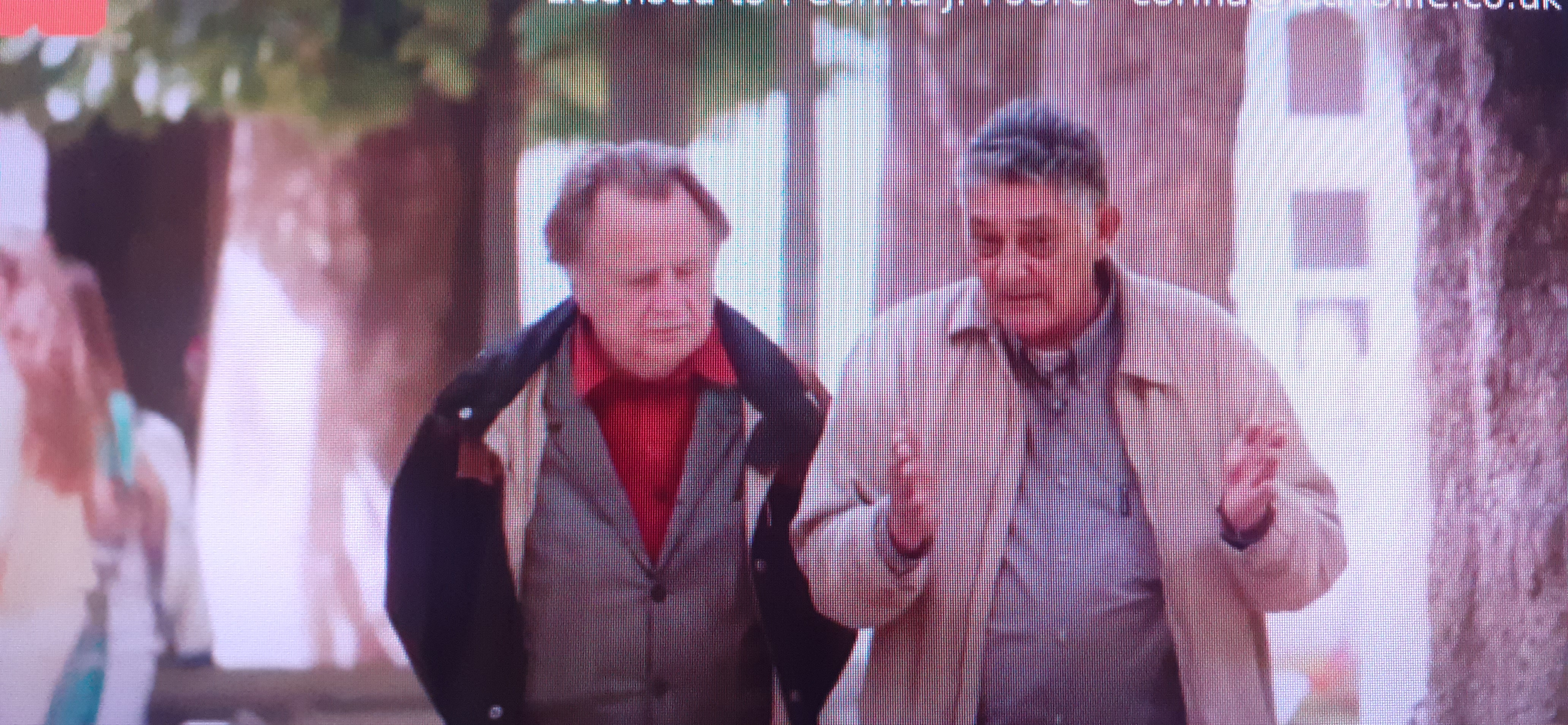
Régis Debray and Benigno in Paris
Meanwhile, others supporters were also captured and incarcerated, including the French intellectual activist Régis Debray (condemned to 30 yrs in jail) and Argentine Ciro Bustos.
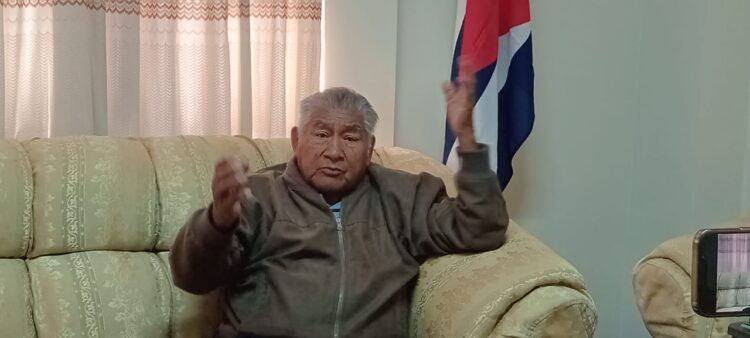
El Negro: their main guide across the Altiplano
In the end, with the fortunate assistance of some reluctant Communist Party members, the were led across the altiplano at heights of 12,300 feet by El Negro (Ephraín Quicáñez) and a Bolivian, Estanislao Vilca who knew the area. Gasping for oxygen and taking anti-sick tablets, they were guided across till they reached the safety of the Chilean border. By the time they got there, they had walked over 2400 km.
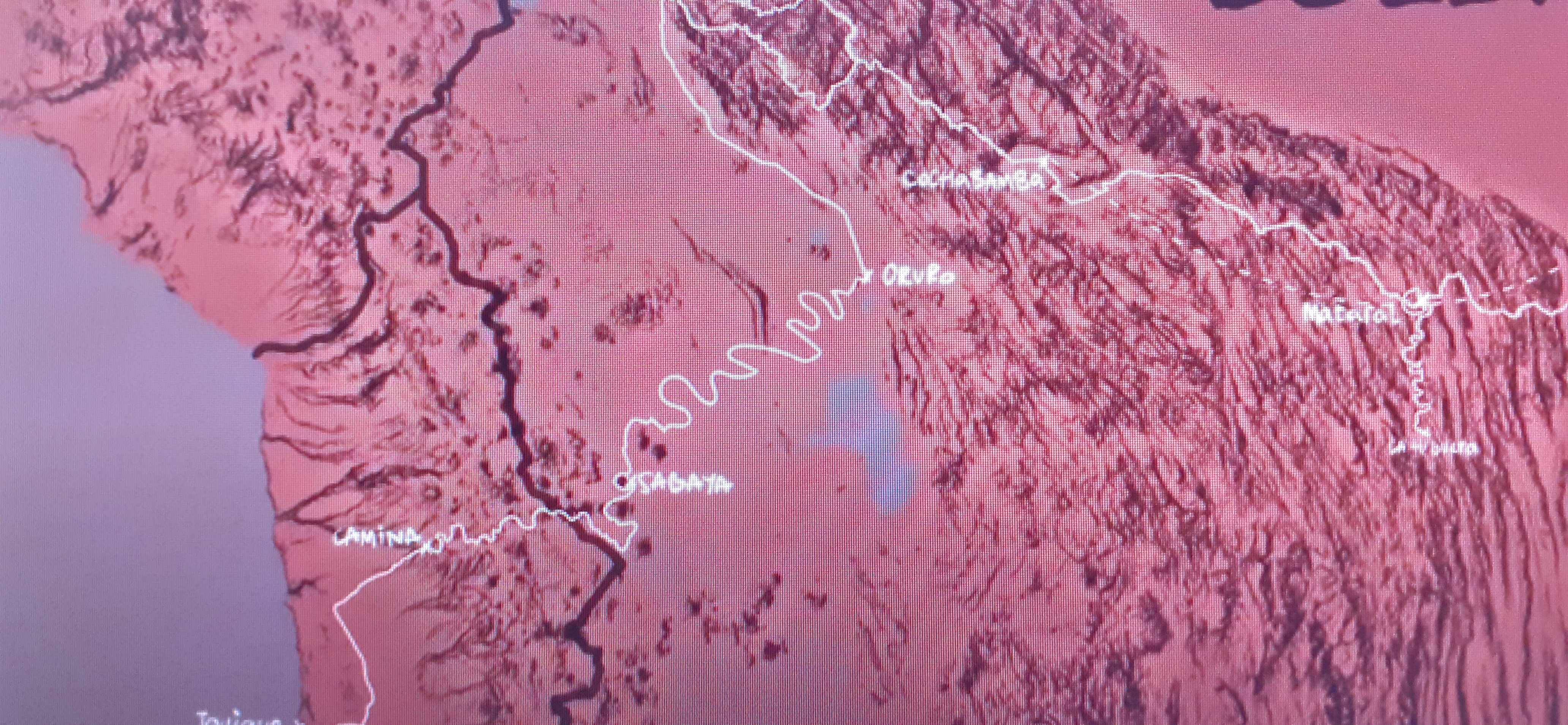
Map of the last companions journey across Bolivia
They expected to be met By Salvador Allende, instead they were confronted by the Chilean Army.
They were then terrified they would be extradited to Bolivia. But to their surprise and relief, a message was sent to them from this army, via Benigno's transistor radio: -
“If you are on Chilean soil, present yourselves to the Chilean authorities. As you have not committed any crimes in Chile, the Chilean Institution will protect you.”
Eventually, with the assistance of Salvador Allende (who was not yet the President of Chile) and the timely and unexpected intervention of General Charles de Gaulle and Jean-Paul Sartre (who had organized the French Left), the survivors managed to reach Paris and eventual safety in Cuba.
Most of the protagonists have died since that extraordinary time: …
“but their story does not die with them,”
CHE GUEVARA: THE LAST COMPANIONS (2025), A film by Christophe Dimitri Réveille, was shown at the 2026 Cannes Film Festival in the ‘Special Screenings’ section.
Producers: Baptiste Salvan and Gaëtan Trigot / Narrator: Vincent Lindon / Original Music: Julien Schickel, Gilles Alonso, and Matteo Di Stefano / Editor: Julien Schickel / Cinematographer Bolivia: Raphaël Rueb / Animation Director: Simon Géliot/ Animation Director, animator & Chief Storyboarder: Eloïc Giménez / Colour calibrator: Yannig Willmann / Sound Editor: Florent Denizot / Animation: Pentacle Productions /
Cast: - Narrator: Vincent Lindon / Benigno: Dariel Alarcón Ramírez- died Paris 2016)/ Pombo: Harry Villegas (died 2019), Urbano: Leonardo Tamayo Núñez / Darío: David Aroca Guzmán (shot 1969) / Estanislao Vilca (shot 1970) / Inti: Guido Peredo / Régis Debray / Guillermo A Aguirre Palma/ Ayoroa Montano/ Capitán Gary Prado Salmón/ Cia Agent Félix Rodríguez / El Ñato: Julio Luís Méndez Korne.
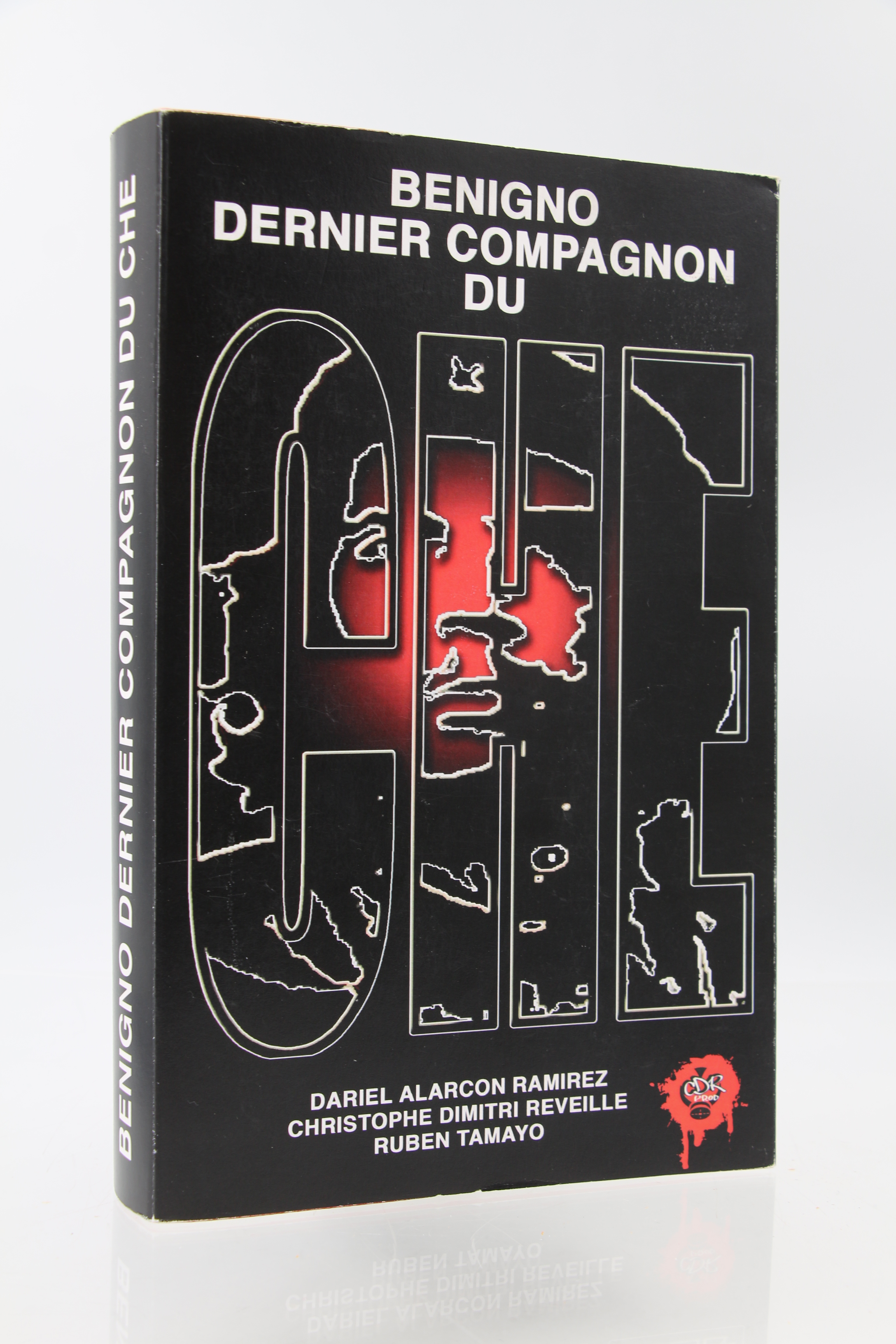
Book written by Benigno, Rubén Tamayo and the director Christophe Dimitri Réveille