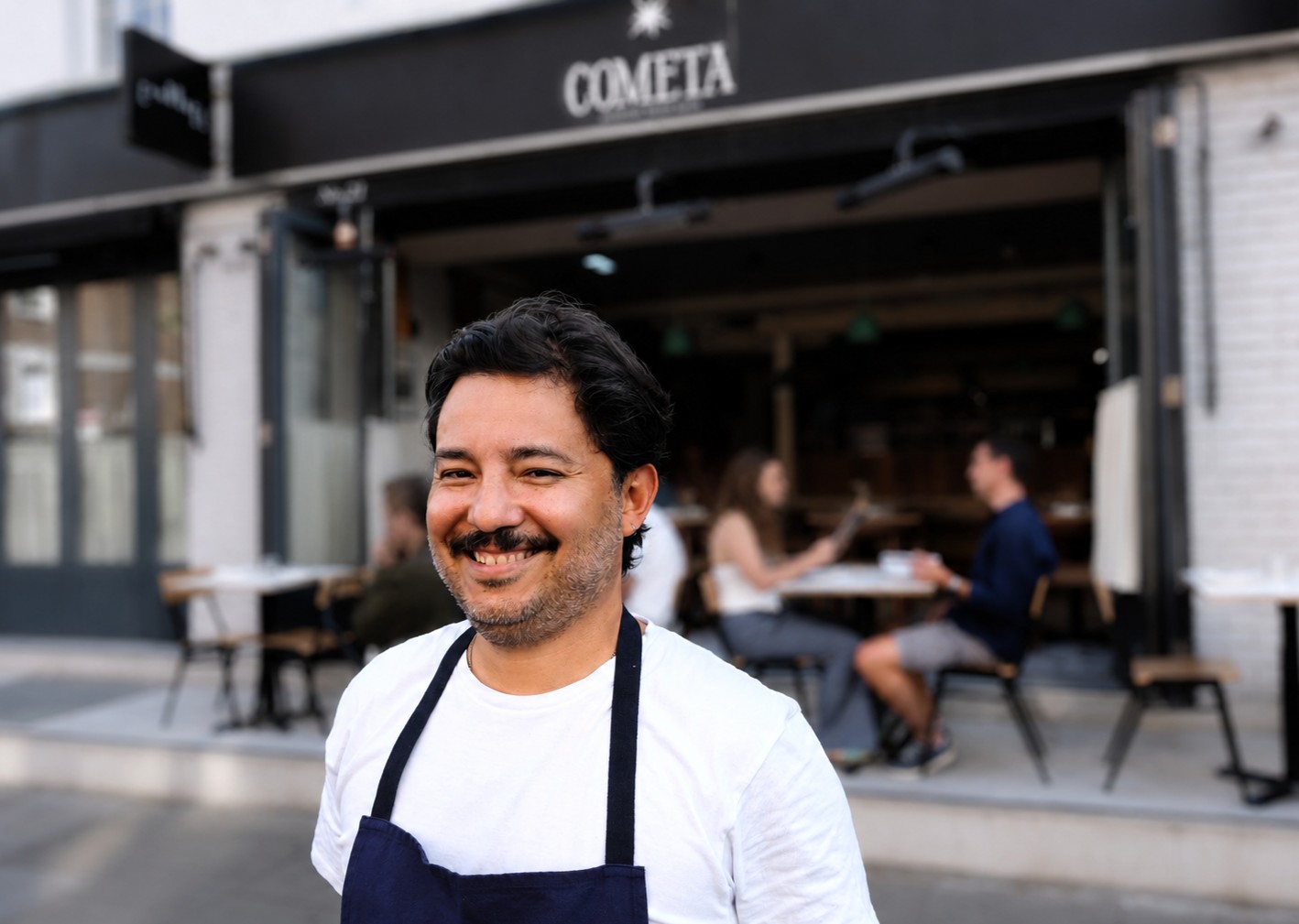
You’re shaking up the food scene in Guatemala and Mercado 24 your award-winning restaurant in Guatemala City just made it into Latin America’s 50 Best Restaurants for the fourth year in a row. What brings you here to London?
The culinary scene in Guatemala is taking off in a big way - it has been for years now - and it's great to be a part of that. Thankfully people are taking note. It's a huge thing to be on that 50 Best restaurants list. This is my fourth time in London as a resident chef in Carousel with Ollie Templeton and it’s always exciting to come here. It's great that I can share some of Guatemala’s culinary traditions and ancestral flavours and let people know what a fantastic destination Guatemala is for anybody who loves fantastic food.
You’ve had tremendous success with Mercado 24, and you and other restaurants on the Latin America 50 Best - like Sublime and Diacá - have helped put Guatemala on the gastronomic map. How did it all start?
We first opened Mercado 24 in 2015 and I think it was the right time. Everything came together, and people in Guatemala were ready for something fresh. The concept of a daily menu based on the best ingredients available in the market that day, is what we do, and people like it. It’s been an amazing journey but it is not just me and my team at Mercado 24, a whole generation of younger chefs have helped to take Guatemalan gastronomy to the next level.
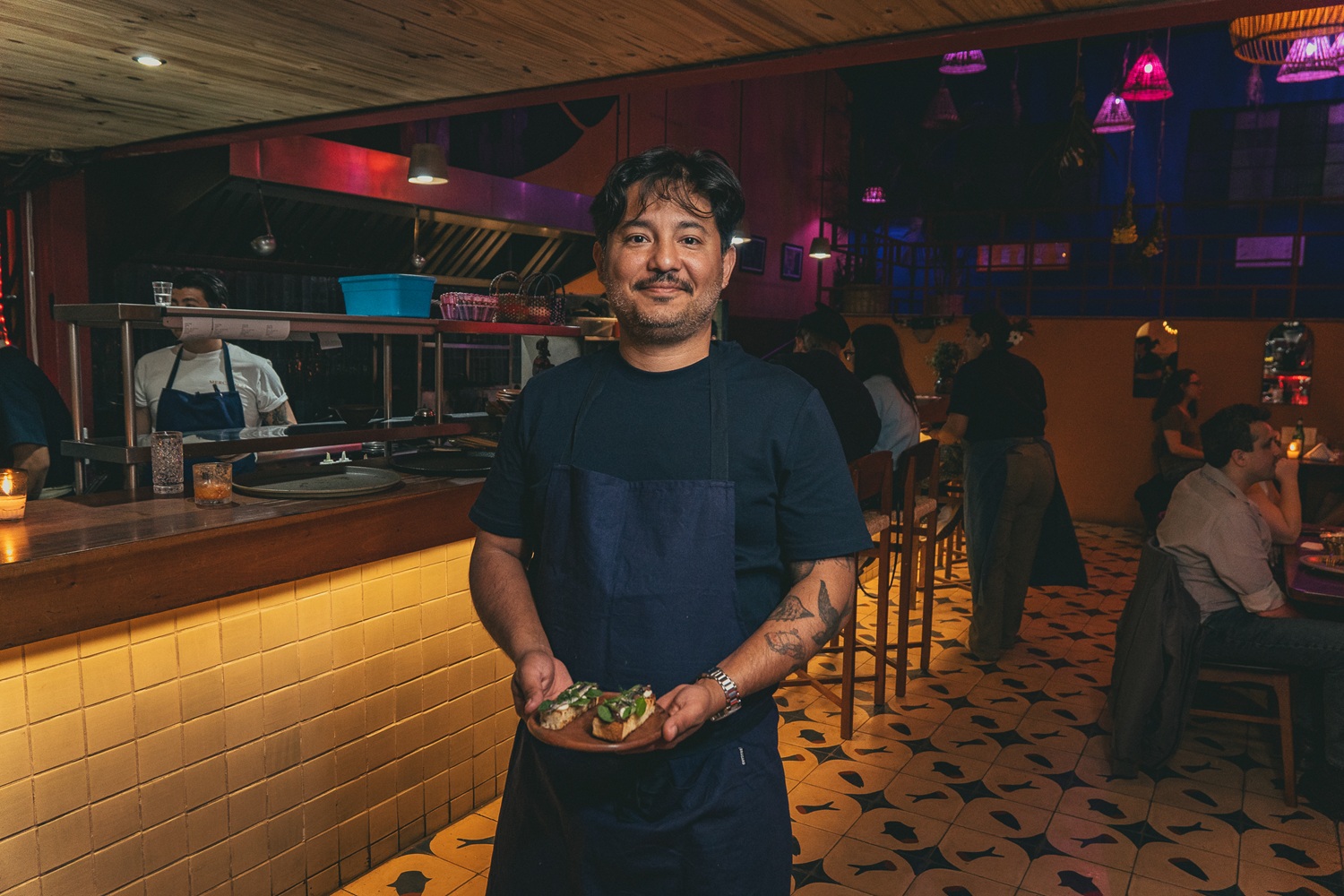
Chef Pablo Díaz in his restaurant Mercado 24 (Pablo Díaz)
Where does the name Mercado 24 come from?
There are 23 markets in Guatemala City and many people go to the markets to buy their fruit and vegetables and to eat at the food stalls. Our menu and our ingredients are inspired by those markets and the heritage of Guatemalan cooking that goes back centuries, even further, so we are like the 24th market. I always say that we are Guatemalan chefs using essential local Guatemalan ingredients in Guatemala so our dishes are Guatemalan but we combine the ingredients in different ways to create fresh new flavours.
It must have been a huge boost to Guatemala’s image as a fine food destination in 2025 when the award ceremony for Latin America’s 50 Best Restaurants was held for the first time in the historic city of Antigua?
Yes. It was historic. Super nice. It showed what we are doing in Guatemala to an international audience of food lovers and other chefs. It really put our country on the international food map, definitely. But before that social media was helping to spread the word about the innovations that chefs were doing in Guatemala City.
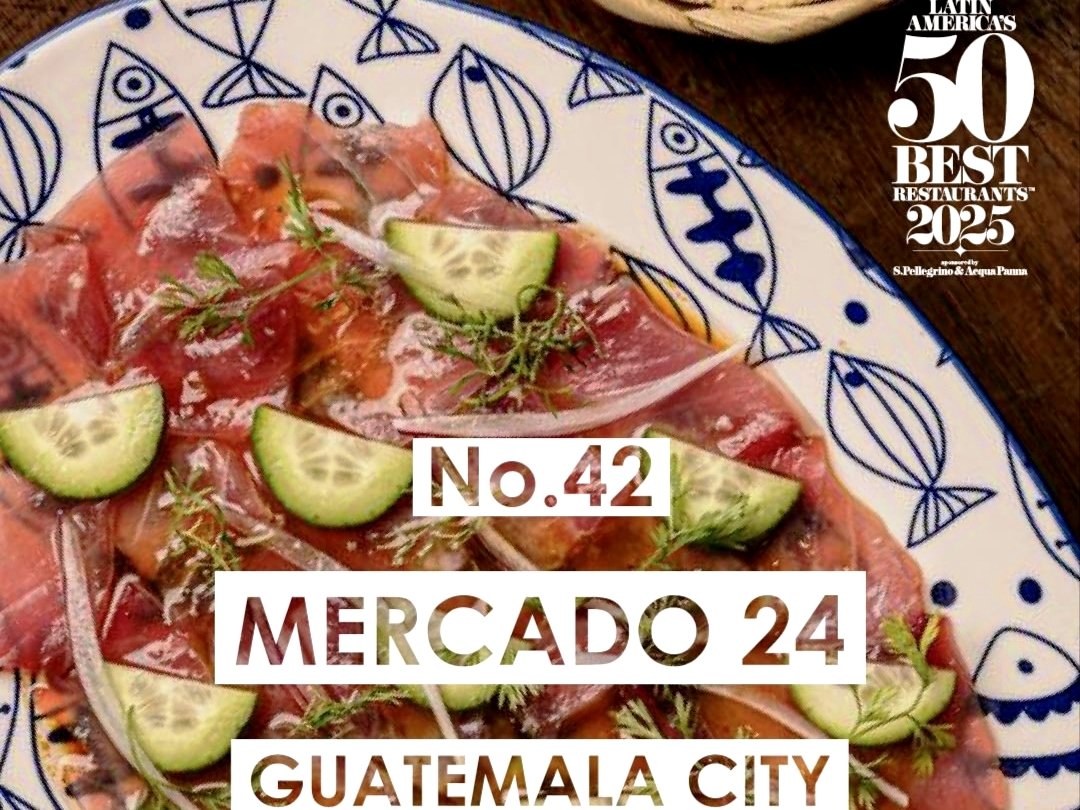
Latin America's 50 Best Restaurants (Pablo Díaz)
Where did your journey as a chef begin?
I started at a cooking school in Merida in Mexico, and worked as the head chef at Manzanilla in Baja California. Later, I went to work as a chef in Salo on Lake Garda in Italy, and then San Sebastián in the Spanish Basque country, which is the Mecca of gastronomy. In Mexico, Italy, and the Basque Country they are fiercely proud of their local ingredients, their local dishes. So when I came back to Guatemala I was looking for an opportunity to show off the best of Guatemala’s amazing natural flavours and cooking heritage.
What advice do you have for visitors coming to Guatemala City when it comes to trying unmissable traditional flavours?
You have to go to the markets. In Mercado Central, there are two places where I love to eat. The famous one is Doña Mela, run by a family of women since the 1960s that only serves traditional dishes from the city. I usually order tortillas con chile relleno (stuffed chile on a tortilla) or patitas a la vinagreta (pigs trotters in escabeche). You have to go to Doña Mela in the morning as it is very popular. The other place is Comedor Rosita, which sells recados, hearty Guatemalan stews with indigenous Maya and mestizo roots, like pepián de pollo (chicken stew) or revolcado (pig’s head stew).
Pepián is the national dish of Guatemala.
Yes, pepián is our national dish. It’s a recado that is made with chicken or chompipe (turkey) and is traditionally eaten with rice and tortillas. I always make a pepián wherever I go. Not the traditional recipe but I use the pepián recado as a sauce for meat or fish or vegetables. Honestly, it is so good, it goes with everything.
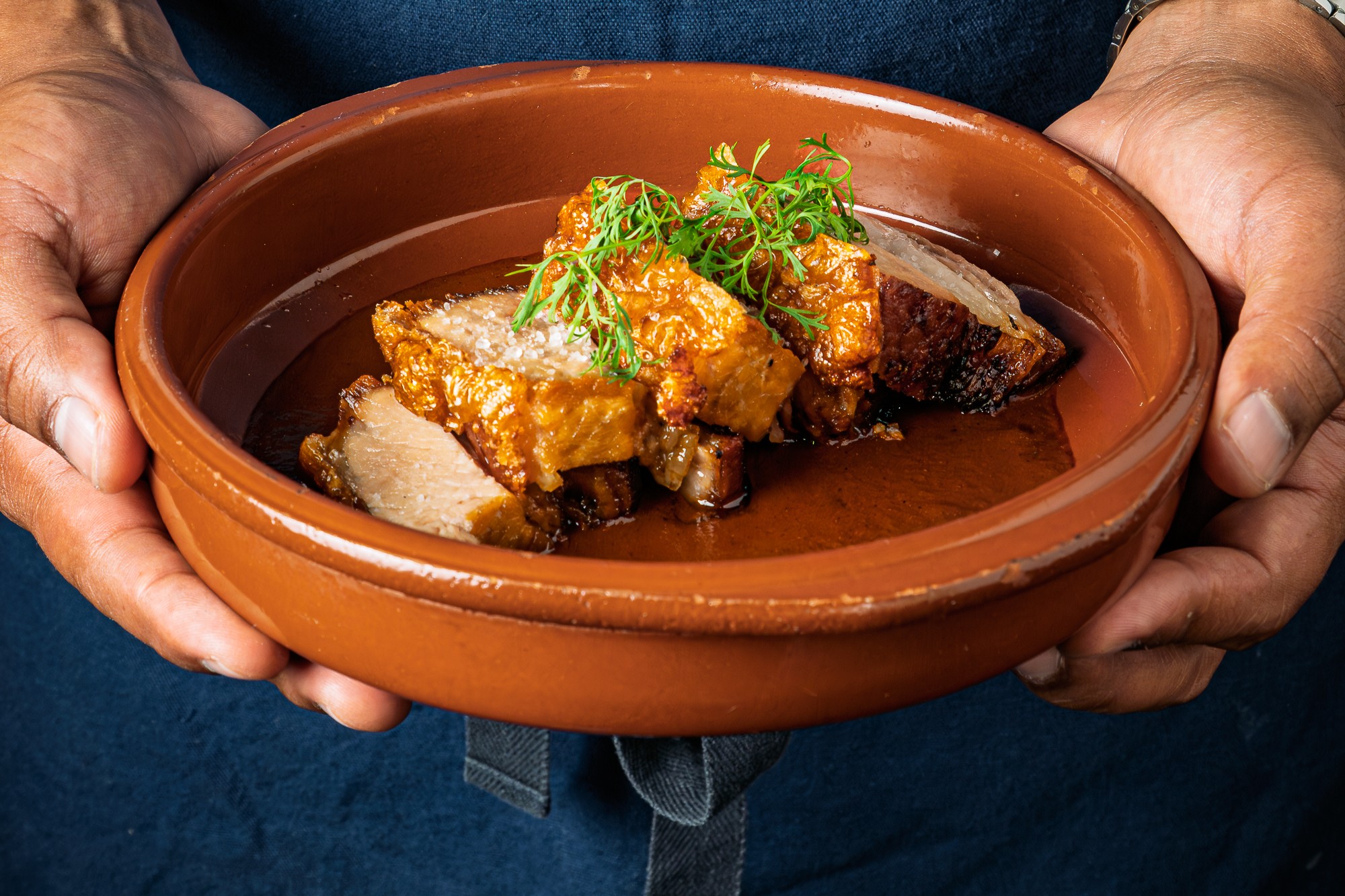
Belly pork with a pepián sauce (Pablo Díaz)
With its cobblestone streets, colourful colonial churches, and trio of volcanoes, the historic city of Antigua is one of the most popular places to visit in Guatemala. Do you have any must-try food suggestions for Antigua?
Antigua is in the Maya highlands so you should try traditional Maya dishes like Kak’Ik, an amazingly rich, deep red recado made with chompipe. Go to a restaurant called La Cuevita de los Urquizú where they have a huge menu of recados and traditional comida típica. Antigua is a beautiful colonial city. If you love hiking, there are many fantastic hikes around the city. You can hike to the top of Acatenango volcano and camp there the night and watch the eruption of Fuego volcano right in front of you. It’s crazy. So good. And then you can come down the next day and eat a recado.
So is a recado like a mole from Mexico?
In a way, yes. But in Guatemala the recados start with a base of tomato, onion, garlic, chile, spices and herbs - even cacao in some recipes - and from that base you can create a whole world of different textures, colours, and flavours. This is our Maya heritage. We are Mayans. The Mundo Maya (Maya World) covers Southern Mexico, Belize, Guatemala, Honduras and El Salvador. Guatemala is in the very heart of the Mundo Maya.
Guatemala also has a Caribbean coast, with its own culinary traditions and a whole host of dishes prepared by Afro-Guatemalans and the Afro-Indigenous Garìfuna.
If you go to Livingston in the Caribbean you will find lots of great seafood, with yuca, plantains and strong coconut flavours. Even the rice and beans is cooked in coconut milk in the Caribbean so it is super tasty. The pan de coco (coconut bread) is also really special. There are two Afro cultures that you find when you visit Livingston. The Garìfuna came from Africa via St Vincent in the Antilles and their main dish is tapado a rich, seafood stew made with coconut milk and chile. It is kind of sweet and super nice. The Garìfuna are famous for their drum rhythms and dancing and they make an aguardiente called gifiti that is infused with up to 40 botanicals - strong herbs, bark, and roots, including palo de hombre (bitterwood). The Garìfuna say gifiti cures everything. Levanta hasta los muertos, it raises even the dead.
There are many sides to Guatemala that visitors are starting to discover. The highlands with its ancient Maya pyramids and hearty Maya stews, the capital for culture and street food, and the Caribbean for golden beaches and seafood soups. What else is there to see, eat and do?
Guatemala has a long Pacific coast, which is famous for its fresh fish, seafood and ceviches. The small town of El Paredón is taking off now as a surf spot. So if you love surf, the point at El Paredón has great waves all year long. It’s a cool place to hang out.
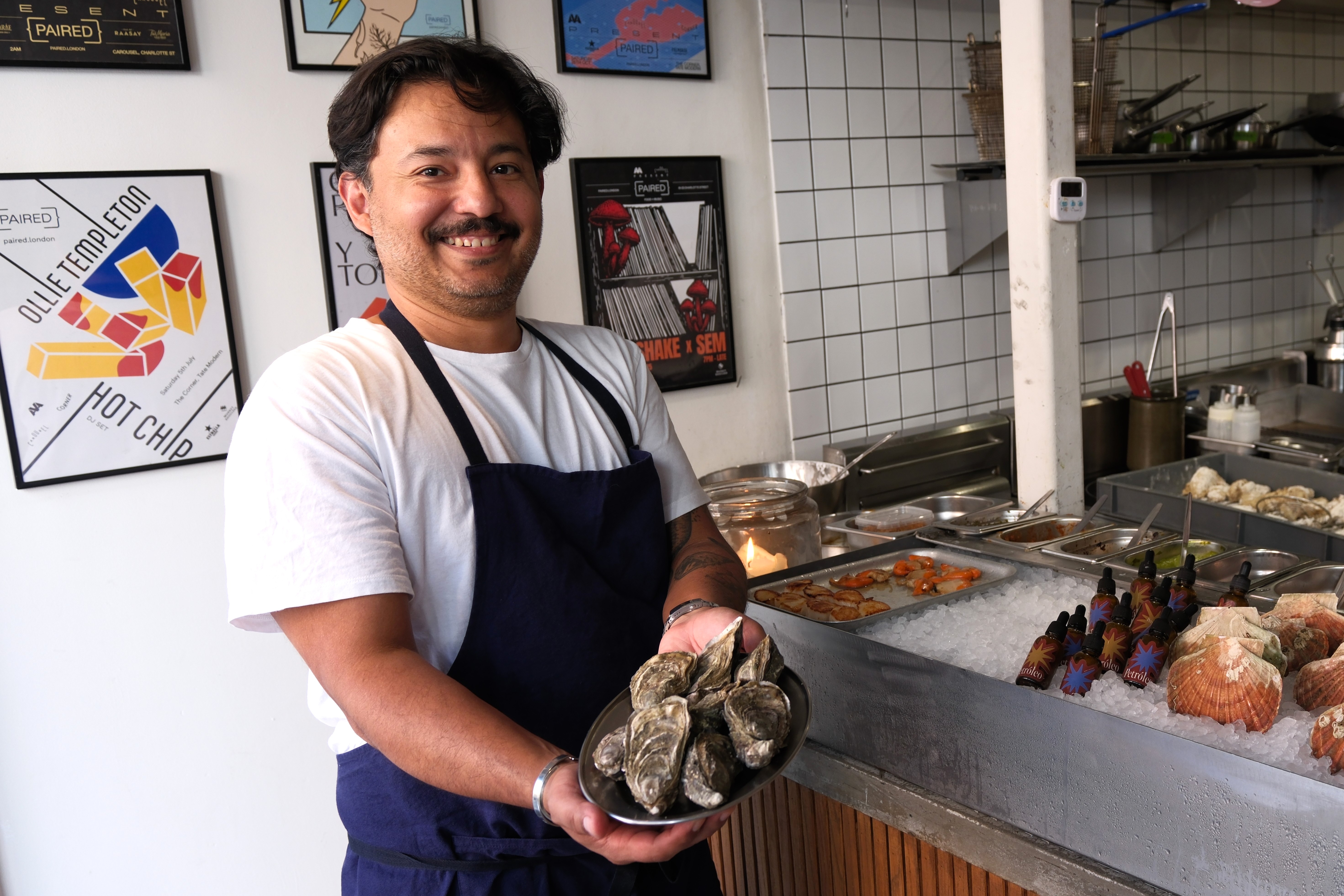
Pablo Díaz at Cometa, the Mexican seafood restaurant at Carousel Fitzrovia
Guatemala also has a reputation for producing some of the best cacao and premium shade-grown coffee in the world.
We are very lucky in Guatemala, because it is a land of volcanos and the volcanic soil and the altitude is perfect for producing incredible coffee beans with unique flavours and aromas. I live in Cuatro Grados Norte in Guatemala City - an area filled with restaurants, coffee shops and galleries - and I have two of the best coffee shops in the world just outside my door: Rojo Cerezo Coffee and Teco Coffee House.
Apart from Mercado 24 you also own another restaurant in Guatemala City called Dora La Tostadora. It’s a great name. How did that come about?
It was an accident really. We had to move Mercado 24 to another locale in 2018 and while the new place was being fitted I needed an outlet so the team could carry on working. I wanted to play with the concept of the tostada, which is a really popular street food, but is generally served with refried beans, or avocado, or a tomato salsa on a crispy tortilla. There hadn’t been any new variations since the Chinese created the tostada de chow mein, which is like stir-fried noodles served on a crispy tortilla. I was already doing tostadas at Mercado 24, so it was a natural move to have a restaurant dedicated to the tostada. Dora la Tostadora was a bit of fun at first but it took on a life of its own and got really popular so we carried on. It’s been a great success and in the future we could open another one in Guatemala or maybe in another Central American country.
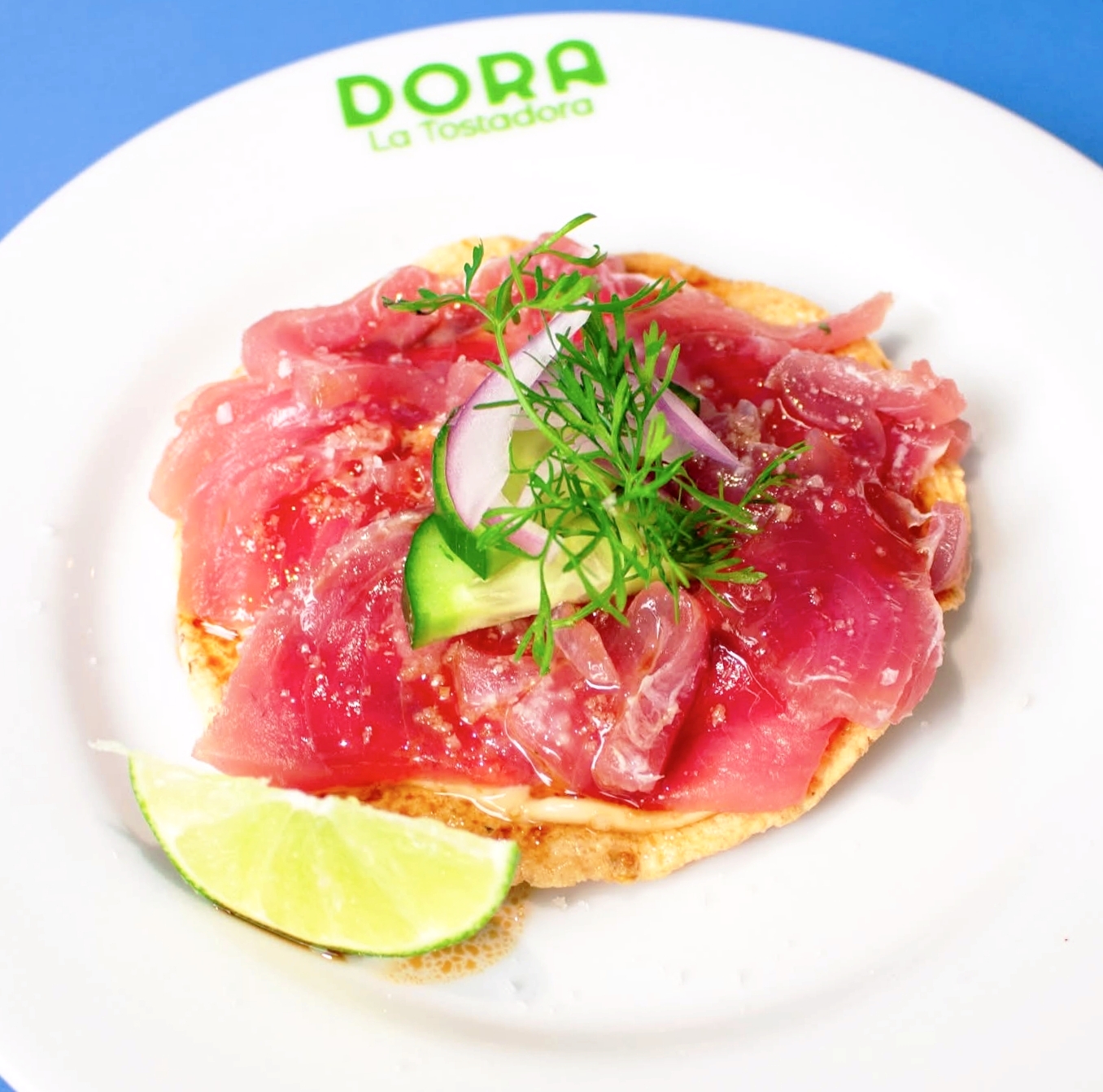
Pablo's signature tuna tostada at Dora La Tostadora (Pablo Díaz)
What kind of tostadas do you make?
If you think about it, a tostada is like a plate. So you can literally put anything you want on a tostada and then add citrus and chile and garlic-infused recado flavours, anything that works to make a tasty dish. In Dora we make tostadas with beef, beef tongue, tuna, shrimps, a lot of fresh seafood ceviches, and we also do tiradito, a Japanese-Peruvian style of thinly-sliced fish in a spicy sauce.
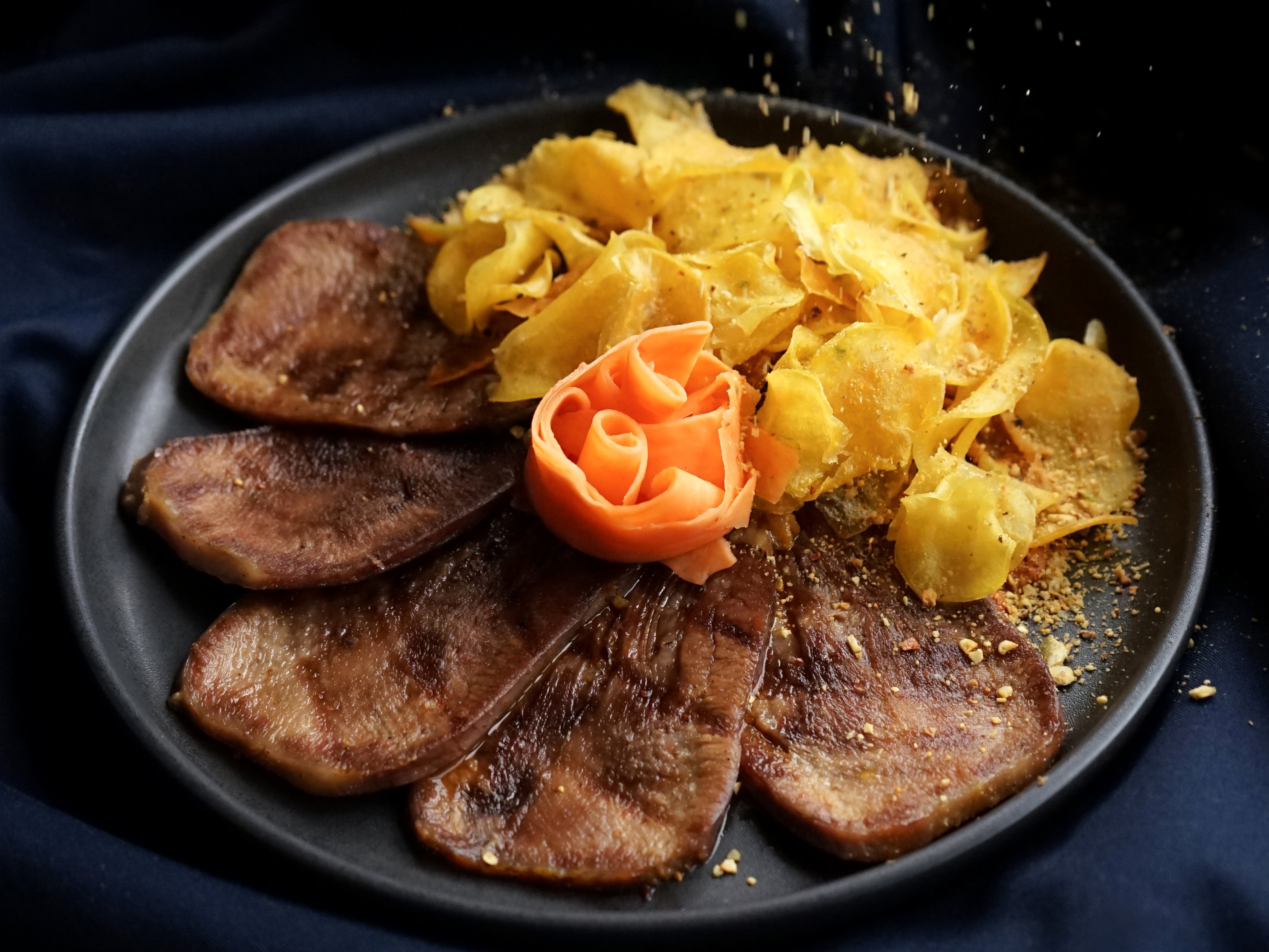
Lengua y recado - beef tongue in a Guatemalan sauce (Pablo Díaz)
And all your ingredients are bought fresh on the day?
Everything I create is based on the freshest seasonal ingredients. I visit the Terminal market - one of the biggest in Central America - every morning, and we change at least one thing on the menu every day. I make sure the fish and seafood is fresh that morning and we only use fish that is sustainably sourced in Guatemala.
Didn’t the New York Times call Dora the Tostadora the temple of tostadas?
Yes. Nicholas Gill, a specialist who writes about Latin American food and restaurants, came to Guatemala City to check out the food scene and he tried one of our tostadas and he just went – Wow! He wrote about the place for the New York Times and he said it was the temple of tostadas, which was great and it got the word out to a lot of people who came to see what all the excitement was about.
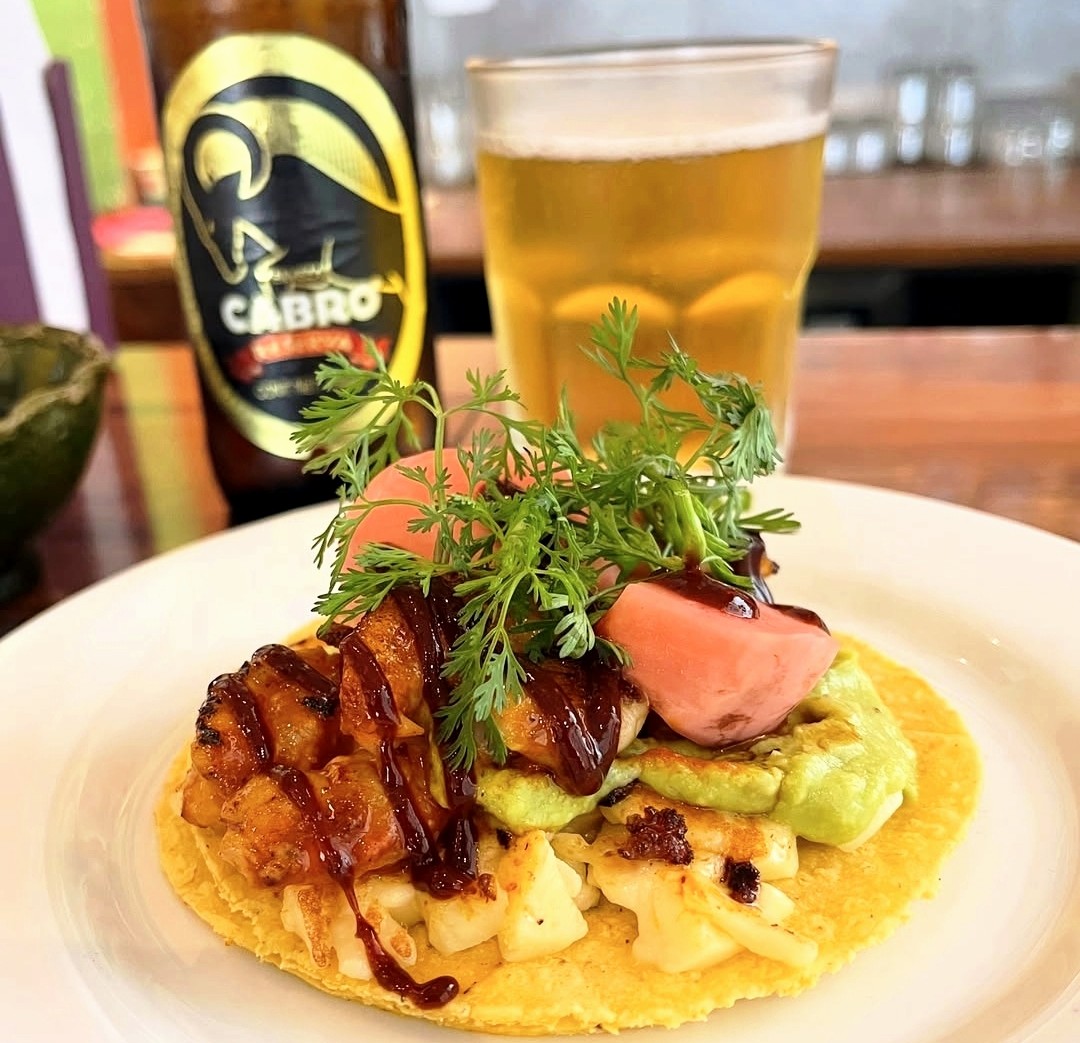
A confection of deliciously fresh ingredients on a crispy tostada accompanied by an ice-cold Cabro (Pablo Diaz)
You have this philosophy that defines your cooking style: “No hay caviar, pero hay maíz” (We don't do caviar, but we do do corn). Where does that come from?
We live by this philosophy. I mean, I like caviar but I love corn. Breakfast lunch and dinner, I always eat corn. I’m even doing tortillas and tostadas in my menu here in Carousel. I brought them in my backpack from Guatemala because I can’t leave out the corn. It is who we are. In the Popul Vuh, the ancient creation story of the Maya, it says that the gods made the first people from corn. We all eat corn in Guatemala, it is the thing that unites rich and poor. In towns and villages there are these ladies with a molino, who every day grind nixtamalized corn to make the masa (dough) for tortillas. Honestly, in the morning, Guatemala smells of freshly-ground corn. But this motto is also close to my heart because I want my restaurants to be places where everybody can come and eat.
Russell Maddicks is a travel writer, author and co-author of guidebooks covering the Balearic Islands, Colombia, Cuba, Ecuador, Guatemala, Mexico, Nicaragua and Venezuela. His latest book Culture Smart! Costa Rica was published in January. Follow him on X and Instagram @LatAmTravelist.