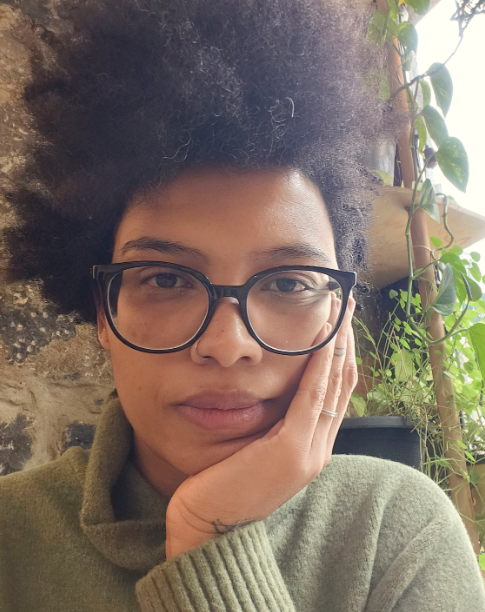
Fernanda Salgado
Fernanda Salgado’s classy and rich animation has a strong Brazilian flavour, coming as she does, from Belo Horizonte, Minas Gerais. The elegance of her work echoes the natural grace of her person, and the story she has created is moving and touches on a myriad of references and emotional journeys, be they of grief, exile, or discovery.
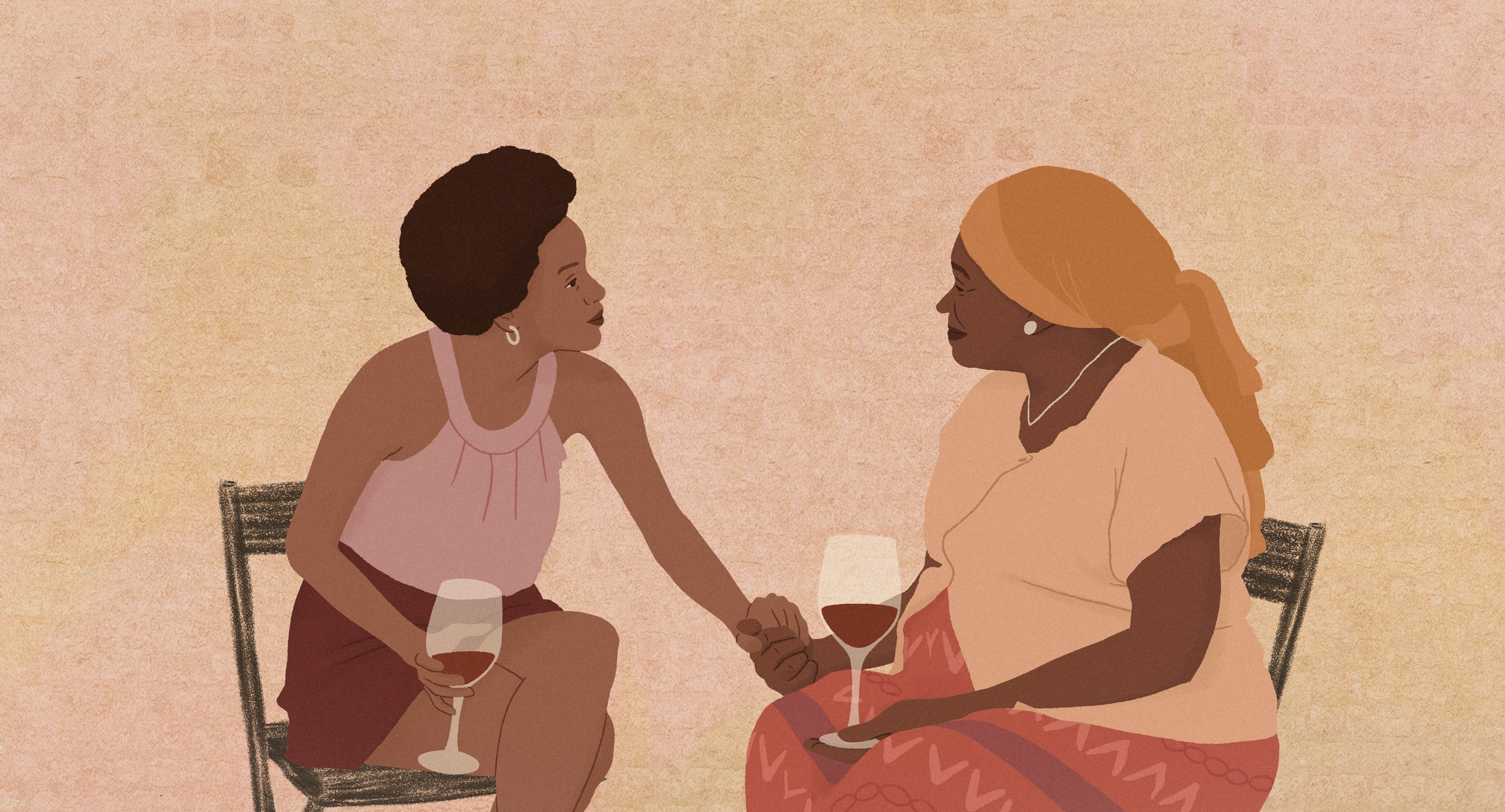
Ana (voiced by Jéssica Pierina) with grandmother Alice (Zezé Motta)
She is a busy bee and that is not to say workaholic, for she has been, not only helping to run the studio she co-founded Apiário Studio Criativo, completing the film ‘Ana, en passant’ but also simultaneously working on her PHD on Black women in film, as she freezing her toes off in Montréal Canada. Though ‘Ana, en passant’ has a very distinct Brazilian character, Salgado admits to having been influenced by many different sources: -
“I had many influences, and one of the main ones from the beginning is Jan Svankmajer, the Czech animator and puppeteer. I really love ‘Alice,’ his 1988 feature film. An adaptation, a very, very free adaptation of Alice in Wonderland. I really love how concrete and tactile his work is, and I think that he’s one of the biggest influences in our approach to the aesthetics of ‘Ana, en Passant’. In more specific terms, I was always very much influenced by ‘The Double Life of Veronique’ (1991) (La Double Vie de Veronique)by Krzysztof Kieslowski, that emerges in the theme of the double but also in the ‘tone’ I think. It’s very poetic and beautiful and very striking visually and I really love it.
In terms of animation there are two films that are very important [to me]. The first one is Richard Linklater’s ‘Waking Life’ (2001), which is also in roto-scope, and then there is a short French film called ‘Madagascar, Carnet de voyage (2009) by Bastien Dubois, that also uses mixed techniques in animation So it was very interesting to watch them while we were researching how to bring all these techniques together.
Lately, there are another two short films. One is called ‘Grab my hand: Letter to my Dad’ (2019) by Camrus Johnson with Pedro Piccinini. It won the New York International Children’s Film Festival Top Animation award as well as at the Chicago International Children’s film festival l and it used collage and paper cut-outs- buddy gate check – D- grab my hand and he did. I really love it is it really beautiful and then there is a feature film from Quebec, Canada, called ‘Archipelago’ (2021) animated documentary by Félix Dufour- Laperrière, that is a poetic essay.”
True to her interests ‘Archipelago’ also blends different styles of animation and deservedly won the Jury Prize at the 2021 Annecy International Film Festival.
In terms of subject matter, Salgado is keen to explores memory, ancestral connections and how our experiences shape our identity and her eyes have gazed more towards Eastern European animation traditions, being fascinated by animators like Jan Svankmajer who also influenced the Quay Brothers, Terry Gilliam and Tim Burton. This came up very brightly in the first short that she wrote, which was directed by her colleague and co-founder of Apiário, Fernando Mendes: ‘Crisálidas’ (2017) which is like a mini-horror story with powerful and memorable images. The short creates a dark dreamlike, surrealistic world centred around a young girl who finds herself lost in a ghostly psychological labyrinth with a dark atmosphere of horror, references to evil godmothers, with nights peopled with nightmares, scary dolls and a very atmospheric sound track including a spine-chilling wicker rocking chair that creak s quite horribly, echoing ‘Psycho.’ (Link to the Crisálidas: https://vimeo.com/11728327?fl=pl&fe=cm / definitely worth watching).
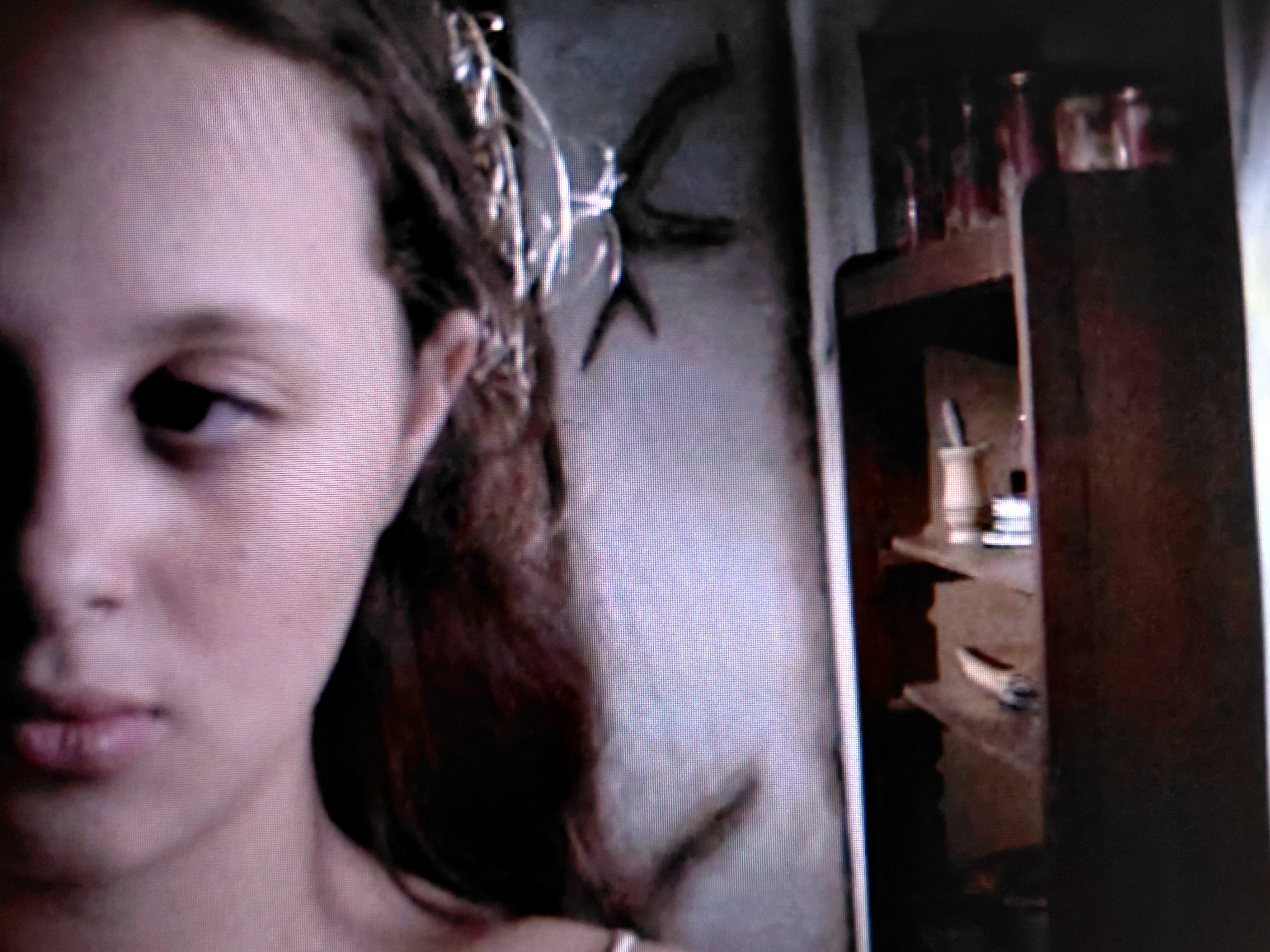
Crisálidas- written by Salgado and directed by Fernando Mendes
Salgado also worked previously on a number of shorts & was finally able to realize her dream for a feature combining the different animation techniques that she loves, from rotoscoping, collage, cut- out animation and stop- frame all in one production:
“I also wrote & directed two short fiction films and produced others, some documentaries, animation including some music videos. Now, in ‘Ana, en Passant,’ my first feature film, I really think that it brings all of these experiences and inspirations together in creating a film that is very niche in how it approaches animation. When I arrived in Canada, we were already starting production, so the script was already written, it was then that I was able to share, more keenly, with Ana, I think, about her feelings of misplacement and living abroad and also keeping in perspective [the exile element] and also on how to look back at my own city of Belo Horizonte with different eyes.
Writing is one of the things I love the most in film making. I have always felt like I was very connected with the characters and where the story was going. Even when we were filming with the actors and actresses, I had it very close to me and to my heart who these characters were and where I wanted to go with the narrative. And then we started with the animation stage everything that we did was to weld the visuals with the narrative and make every choice be narrative driven as well.”
This concentration on the content, the story, is what makes this film work so well. So often people get distracted by special effects, or exciting visuals and forget to work on the story, the heart of the film, but it is clear that Salgado kept her hand on the pulse at all times.
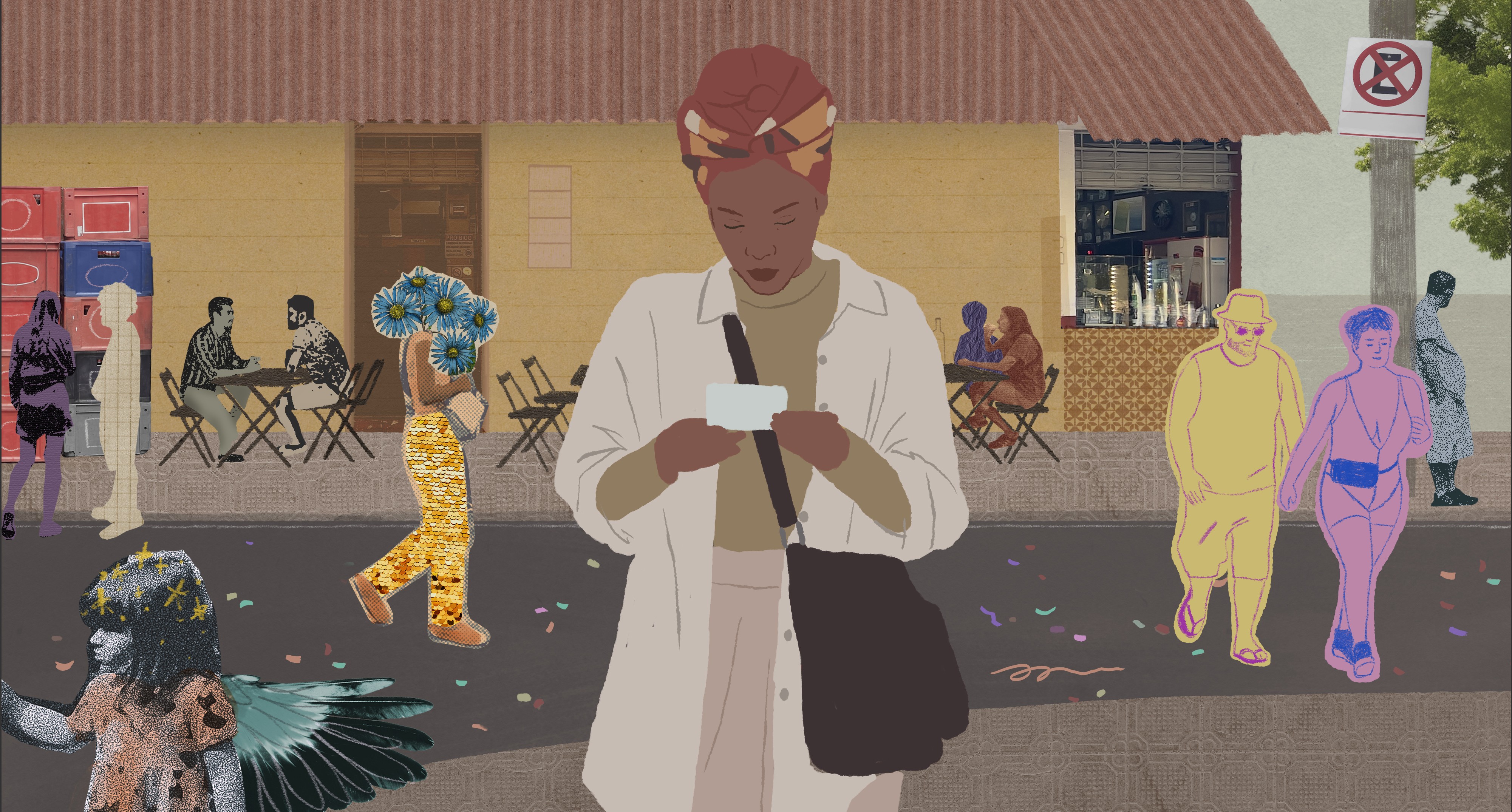
The element that stands out is the keen eye that Salgado has for quality collaborators, not only in the cast, but also in the visuals, as she wisely hired the talented Marcella Tamayo and Camilla Kater to work on the film: -
“I first met Camila Kater in Annecy in 2024 where I had seen her short film CARNE (2019) [that received 95 international awards and qualified for the 2021 Oscars and the Goya as well as the EFA Academy Awards].
They are [both] key to how the film was able to be made concrete from all the ideas. I had got in touch with Marcella Tamayo at the start of development in 2018 inviting her to work me with as an Art Director because I think I had seen a work that she had done for a series that also used some mixed animation techniques, and paper cut-outs which was beautiful. But she was not available back then. Then when we restarted the production, I still needed an Art Director so I got in touch with her again and I was very lucky that she was available and willing to work with us. She was very fundamental in picking up what we had created in our early development – with all of these propositions of mixed techniques with the themes and the references that we had, and picking this all up and being able to work with it while enhancing it and bringing all of her own references and education. She is such a wonderful worker.
Kater has created wonderful work experimenting with stop-motion and also several other types of media and techniques of animation. Previously we had worked with another Animation Director during the early development in 2018. When we resumed production, we had to make a change and when Camila came on board it was like serendipity because a big part of the film and animation is rotoscoping of course, but there are so many things that come together, we needed really a keen experimentalist. Someone who really loves to play around and be really creative with the animation, while, also, of course, managing an entire team of animators, which is not a small feat!
We all got together and it was a really beautiful encounter between the three of us. Because it can be very gruelling to make a work of this magnitude for so many months and years, but, at the same time, I count myself very lucky to have been able to have a team with a majority of women that were so willing to work together and find solutions for every little problem, every little challenge in a very respectful and creative way, we were able to create a work environment of sharing that was very powerful for us , that was potent and soothing, in the way of finding a space in this industry that was able to welcome our creativity and our way of doing things.
One of the very bright things that I keep in my memories of doing this film, were the many times in which we got together, the three of us, and we had really crazy ideas for specific sequences. One of us would come up with: Oh, I thought about this… really…. Okay let’s do it!
So, we were always excited about the experimentation and all the little ways that we could work to make the film better and even more beautiful and potent, so it was really a wonderful partnership between the three of us, and I think the film is a lot better for it. It allowed us to shine and allowed us to understand how it’s possible to work in animation film making.
Fernanda Salgado is very sensitive to the situation of black women in Brazil. It was actually shocking to hear her say that this film is only the second feature by a Black person made in Brazil so this theme is present and permeates the movie, for she wants to be a part of those who open doors for others to follow and see what is possible: -
“One of main things is that there is a potency in how this film portrays black people, black lives and black women differently in the way that looks for the little moments of joy and poetry, moments of delicacy and vulnerability, but also strength and how it is possible to find a way of making films and looking towards these lives from a different perspective. Also, how we can make films, we, as black film makers that can touch upon so many different ways of film making like animation, for instance, being an art house, very lyrical film, so, I think also one where we are all allowed to be delicate while being strong.”
This wish to maintain a distinct Brazilian flavour also comes across in the sounds and the music: -
“The sound work was very important from the beginning. There were many references in how the sound design could be done, and it’s very potent in the way that it’s integrated into the narrative. It was beautiful to come to this stage of the film where we were able to construct the sounds, and how it moves the narrative along. As for the original soundtrack, it was a real joy to be able to invite Metá Metá and have them accept working with us because during one of the major re-writes of the script I was listening to their discs non-stop, so I made this really bold, for me, invitation to have them do the original soundtrack. The reason why I wanted them to work with me on this is because everything that the film does visually, and how it’s very tactile and how it brings textures to the front and is very physical on its construct with Afro-Brazilian references, all of that is something I also felt that they did with their work on the music Everything that they do has a tactile type of sound, while mixing Afro- Brazilian with Jazz. What they were doing with their music, is what I was aiming to do with the visuals, so it made sense to have them on this project. Their work is one of the parts of the film that I love the most.
It is hard not to be in awe of Salgado’s talents and capacity for hard-work. Already, while still studying, she and a small group of friends created their studio Apiário Studio Criativo: -
“Our studio exists formally since 2011 even though we have been collaborating since 2005, There are 3 of us. Me, Fernando and Victoria work in animation and recently, also with documentaries – We have been making our own films for a long time, always experimenting with analogue and media to push boundaries and narratives aesthetically. We have projects in development at the moment, [for instance] Vitor is developing a feature documentary and together we are developing another animated feature film, you can say it is brave but you can also say it is a crazy thing to do!”
This new way to look at creating animated features is very different from those we have become used to watching, that come from the big studios, like Disney, Pixar, or DreamWorks, so it’s refreshing to have a totally different way of developing the visuals while not losing the storyline, like these works of Fernanda Salgado but also other animated features films like ‘Olivia and the Clouds’ (2024) by Tomás Pichardo- Espaillat, or ‘Papaya’ (2025) by Priscilla Kellen. Notably, Marcella Tamayo, the ‘Ana, en passant’ Art Director, also worked on ‘Papaya’.
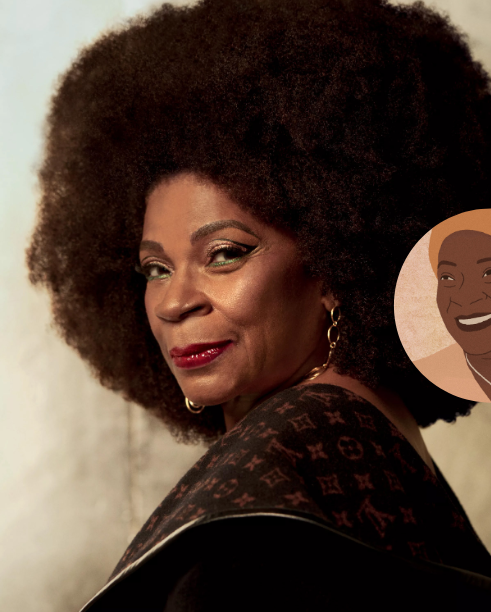
Zezé Motta as the grandmother Alice
Salgado considers herself exceptionally fortunate to have had the great Zezé Motta on board as the grandmother. A woman who has carved a remarkable career in Brazil since she played the lead in ‘XICA,’ the 1977 film of Cacé Diegues.
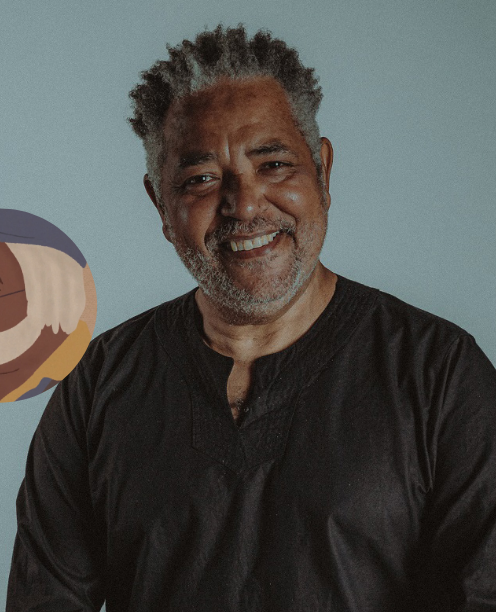
Equally Carlos Francisco, who plays the mythological and helpful postman André, has had considerable success in films after years of working in theatre, He was in ‘Bacurau’ (2019) and ‘The Secret Agent’ (2025) where, in both cases he worked with Kleber Mendonça Filho. The roles of Ana and her double Alice are both played by the lovely Jéssica Pierina, a young black actress with style and warmth. She also comes from Minas Gerais.
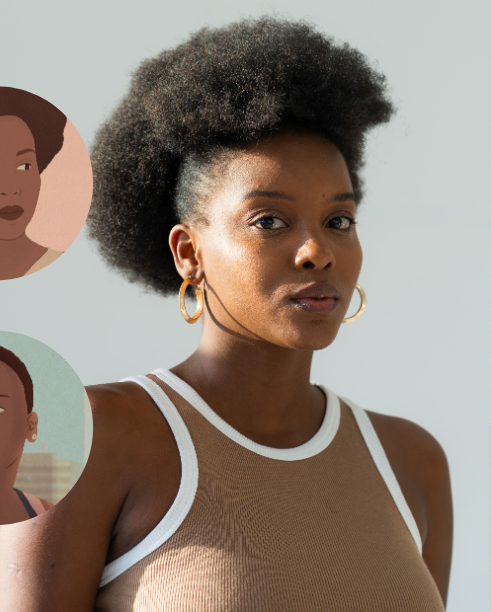
The cast added a lot of depth to the narrative with their performances.
Fernanda Salgado feels happy with the results of the hard work: -
“What I am most proud of is really to have made a film that is so particular in many ways… so unique, in how it sits in so many different boundaries. It is a film that, by design, is an animation, but also fiction, also art house. It even works with archive and all of these references, all of these movements come together to create a film that I really feel could only be done in this way, coming from so many different paths, which is my own paths, as I come from many different places, with many different references. So, I think that is what I am most proud of, by pushing these boundaries out a little bit further for animation and fiction film. Most importantly for black people’s films.”
Ana, en passant) 2026) is scheduled to have its US Première
at the Chicago International Film Festival
You can look up other relevant reviews on Latino Life: -
Ana, en passant: https://www.latinolife.co.uk/articles/ana-en-passant-2026-brazilian-director-fernanda-salgado