The Group Stage: A Tough Finale
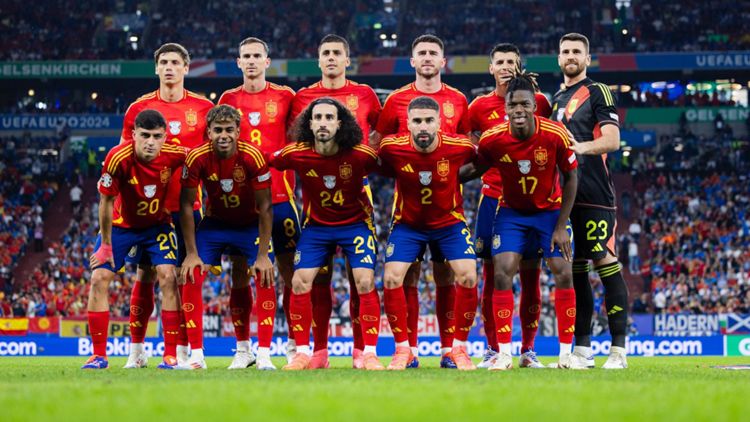
Spain headlines Group H, dividing their opening matches between a comfortable stay in Georgia and a long travel day to Mexico to finish the round.
- Cape Verde (June 15): The opening match kicks off in Atlanta. Cape Verde plays with high energy and athleticism, but Spain's midfield control should allow them to dominate possession and find their rhythm early on.
- Saudi Arabia (June 21): Remaining in Atlanta for their second fixture, Spain faces a highly disciplined, compact opponent that relies on defensive organization and quick transitions. Spain will need to move the ball quickly to break through their defensive lines without getting caught out on the counterattack.
- Uruguay (June 26): The group stage wraps up with a headline fixture in Guadalajara. Uruguay brings intense physicality, aggressive pressing, and excellent attacking talent. This match will be the first true test of whether Spain's young team can handle a fellow tournament heavyweight under intense pressure.
Behind the Scenes: Total Faith in the System
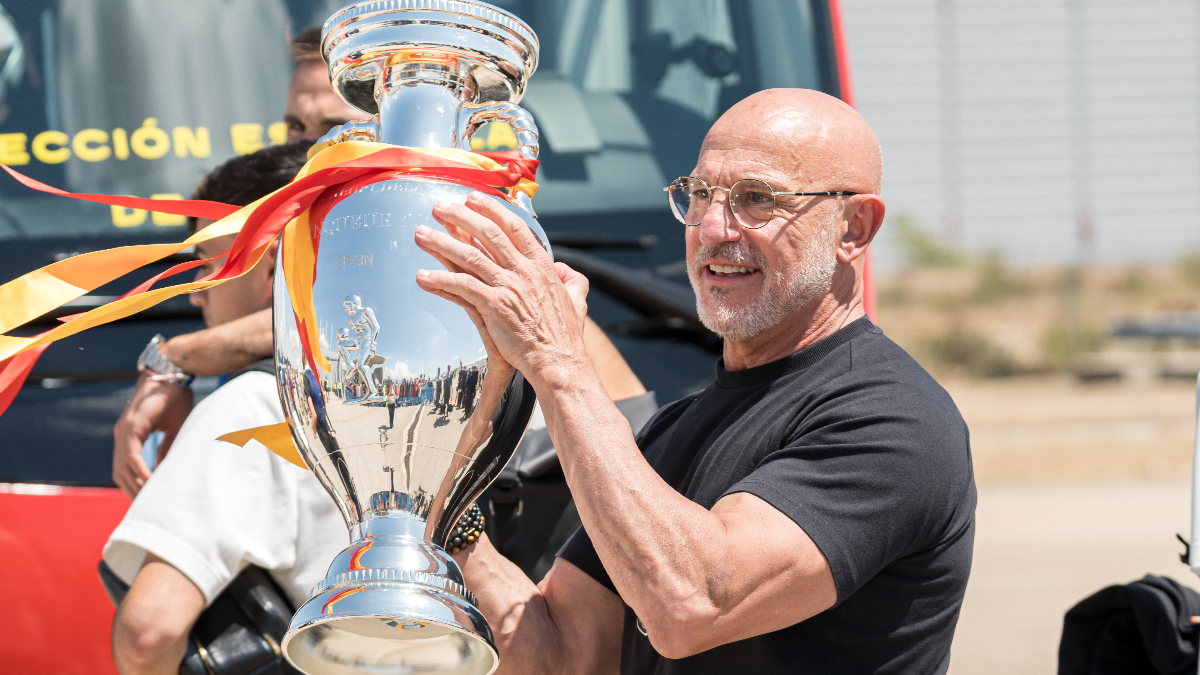
The Spanish football federation has dealt with its fair share of administrative changes and off-field noise in recent years, but the sporting project on the pitch has remained completely stable. De la Fuente has earned the total trust of both the executives and the players due to his deep history with the younger players and their development as athletes. He knows almost every player in the squad from their junior days. There is no drama regarding squad selection anymore; everyone is fully aligned behind a manager who judges players strictly on form and tactical fit.
The Odds: The True Contenders
Data from the Polymarket prediction exchange ranks Spain securely in the upper tier of tournament favorites, holding an implied probability of around 10% to win the entire World Cup. Bookmakers and prediction markets view them as one of the most complete teams in the bracket. They are treated as a balanced machine built to control games and make a deep run into the final weeks of July.
The Spanish Stars
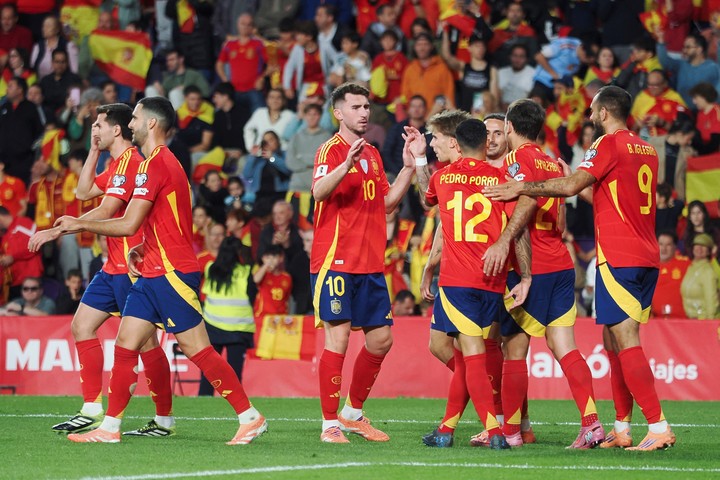
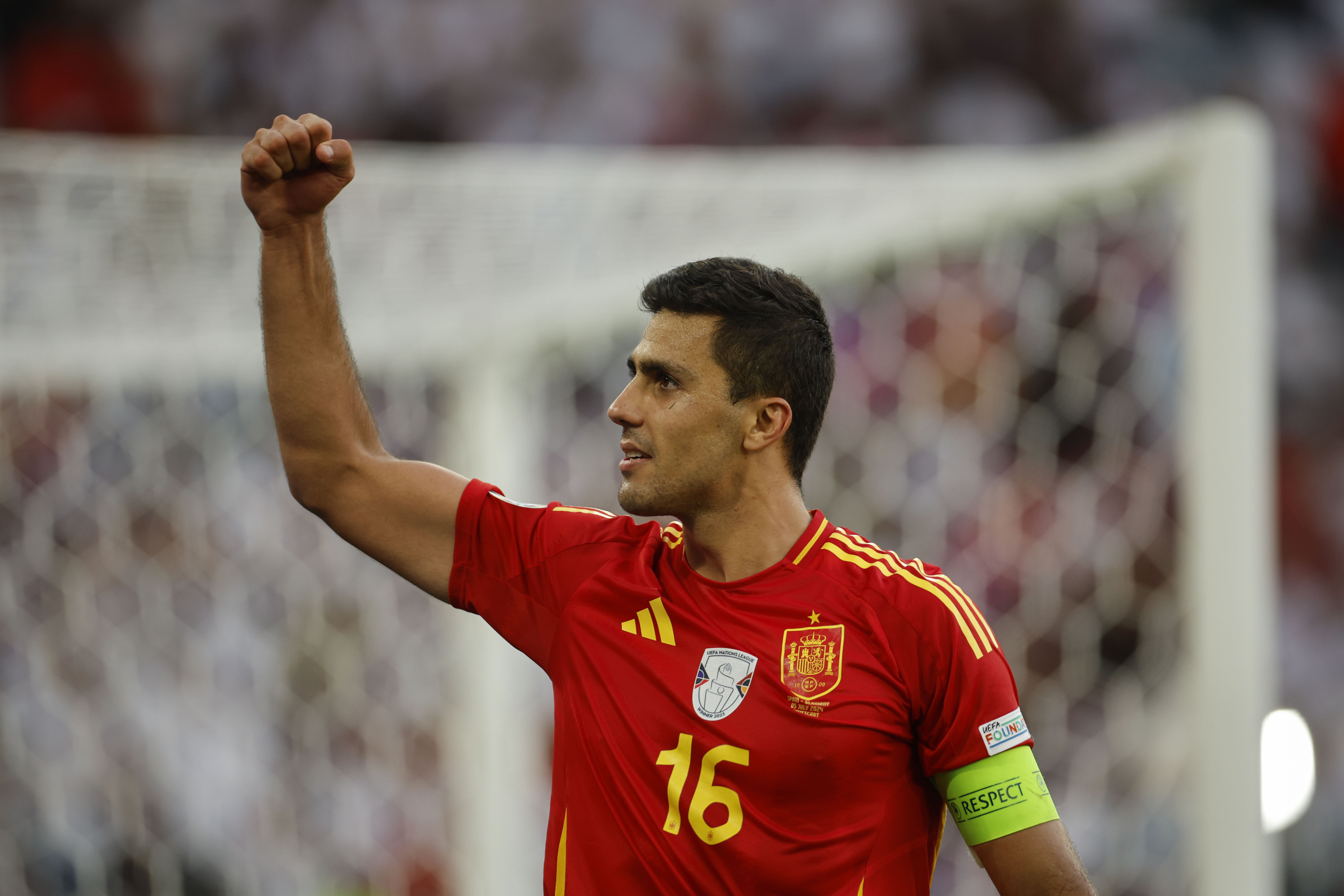
The tactical engine of this team runs directly through Rodri. The Manchester City midfielder is the undisputed anchor of the team, controlling the timing, breaking up opposition plays, and organizing the shape of the midfield.
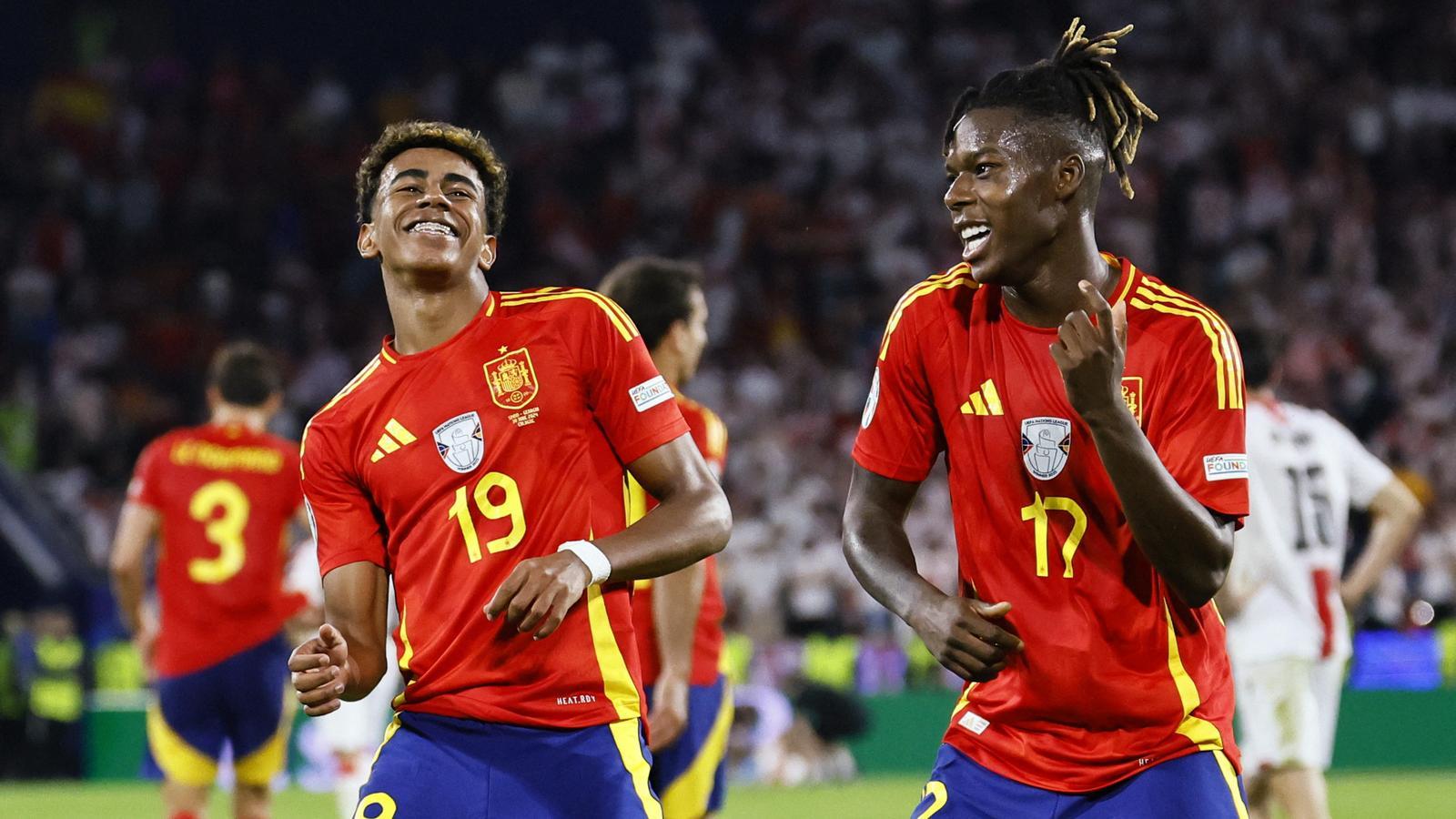
While Rodri provides the stability, the excitement comes from the sides. Lamine Yamal and Nico Williams give Spain a level of intense pace and dribbling ability that the national team has not possessed in decades. In the center of defense, the veteran partnership of Aymeric Laporte and Robin Le Normand provides a calm foundation that allows the creative players to take risks further up the pitch.
The Player to Watch: Pau Cubarsí
While the wingers grab most of the headlines, Spain's defensive stability at this tournament relies heavily on Pau Cubarsí. The 18-year-old Barcelona center back is playing in his very first World Cup and has quickly become a regular for the national team. Cubarsi possesses an extraordinary ability to read the game and stay calm under pressure. His accurate, progressive passing from the back line is essential for launching Spain's direct attacks, making him the silent leader of this new generation.
The Competition
Spain's real test begins in the later knockout rounds, where they will likely face top-tier teams like Argentina or France. While their group is straightforward, how far they go depends on how Luis de la Fuente handles the balance between his younger stars and the physical demands of a long tournament. If he gets the squad chemistry right, Spain has the talent to win the whole tournament; if not, it will be another massive opportunity missed on the biggest stage.
If you are in London, watch all the Latin American World Cup matches with us. Find out more