
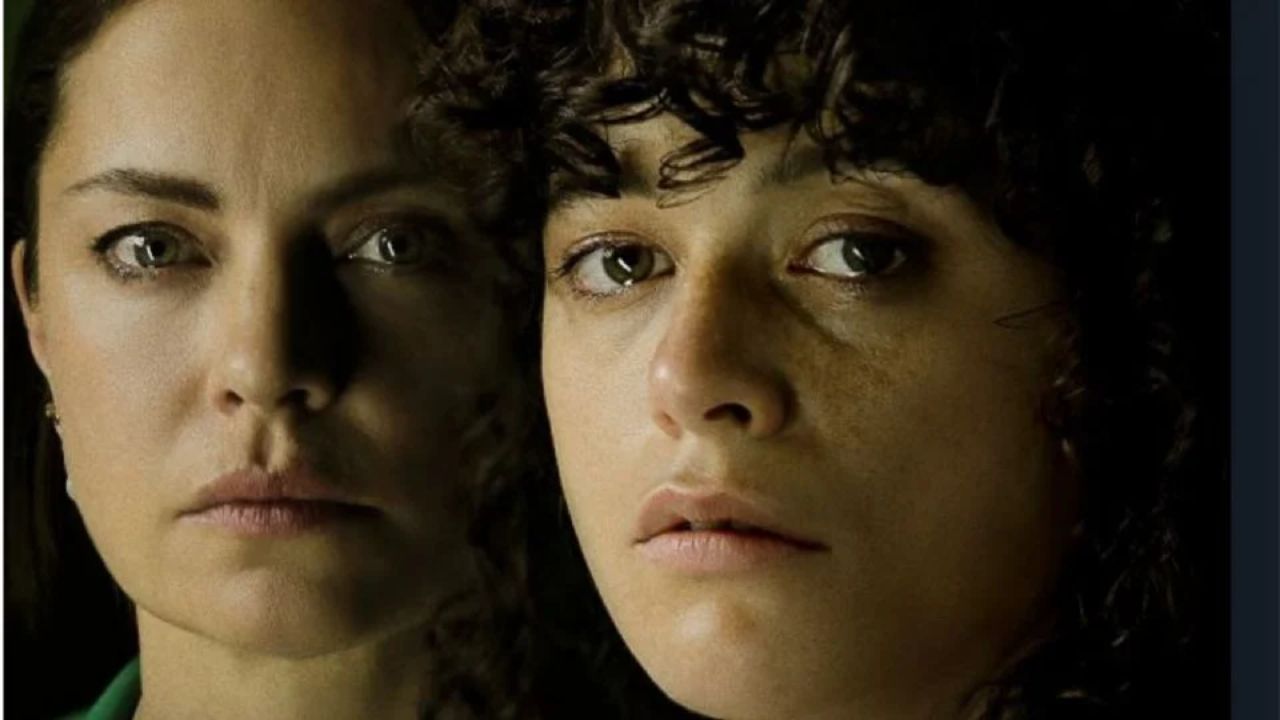
Belén’s opening scene is undeniably gruelling. Cinematographer Javier Julía, and director Dolores Fonzi came together to compose a masterful long shot. The camera hovers behind the pained protagonist Julieta, capturing her perspective as she struggles to walk down the hospital aisles and receive medical attention. The audience simply cannot look away.
Police are called, and poor Julieta is arrested and chained to the bed while mid-surgery. As the sequence closes the camera moves to a close-up, and her expression betrays her horror, as she grapples with the discovery that she both suffered a miscarriage and is now under arrest for the murder of her child. It’s a masterful performance by Camila Pláate.
After the opening sequence, the film cuts to a courthouse two years later. There, Belén’s family are seeking to prove her innocence, and lawyer Soledad Deza (played by Fonzi) takes an interest in the case, stepping up after the original public defender proves carelessly incompetent. The film’s focus shifts to Deza, determined to win Belén’s case, even though the mounting public scrutiny interferes more and more with her once peaceful family life.
If the film’s open was not shocking or convincing enough, the remainder exposes just how sinisterly, and easily the case is built against Julieta. From malicious medical staff to uncooperative court officials to unfavourable media coverage, there is no shortage of suspense or obstacles. Though the ‘one step forward, two steps back’ format is typical of most courthouse movies and grows slightly predictable as the film progresses, it remains a devastating portrayal of how tirelessly the court system works against women.

Interventions from the film’s score heighten the emotional intensity of these high stakes scenes, while Pepe Estrada’s editing builds and diffuses tension with ease, easily switching between the perspectives of the film’s dual protagonists and manipulating the film’s pace as needed.
The premise of the film itself, like any story about an underdog facing a system built against them, could easily lend itself to an overly moral, preachy, or even cheesy tone. Yet the hyperrealism and emotional gravitas established by the opening scene is sustained throughout the film.
This isn’t to say the film is always serious. Quippy assistant Barbara (Laura Peredes) is always quick to interject with a light-hearted joke, which endears her to audience and characters alike. Peredes’ quick wit, which also earned her a role as a writer on the film, is put to great use in this small but impactful role. This levity, however, stays balanced with the film’s primary emotional hook: justice for a woman unfairly imprisoned.
That the film manages to strike the right chord of sentimentality, seriousness, and ultimately, optimism, despite the magnitude of the source material, is a serious accomplishment for all involved.